Manhattan Closed 2025 With a “Goldilocks” Market — What That Really Means for Buyers and Sellers

Manhattan’s residential market closed out 2025 in what industry analysts are calling a “Goldilocks” market — not too hot, and not too cold, but just right for activity to steadily improve. That phrase comes straight from Miller Samuel’s latest quarterly report for Douglas Elliman, which shows a notable return in sales momentum across the borough’s co-ops and condos. The Real Deal

Sales Picked Up in Q4

In the final quarter of the year, Manhattan recorded more than 2,600 closed deals, a roughly 5% increase year-over-year, with co-ops outpacing condos in transaction volume for the first time in over a year. The Real Deal

This shift was powered in part by declining mortgage rates, which eased about 60 basis points since summer. Lower borrowing costs helped draw back rate-sensitive buyers into co-ops and more affordable units — especially as luxury and cash-heavy segments dominated earlier in the year. The Real Deal

More Activity Across the Board

The uptick in sales wasn’t limited to one property type:

  • Co-ops saw a 7% increase in closed deals, with roughly 1,500 units traded.
  • Condos rose by about 3% year-over-year, with approximately 1,200 transactions recorded.
  • Median prices remained resilient: roughly $825,000 for co-ops and $1.7 million for condos. The Real Deal

This balanced surge contributed to the “just right” characterization of the market — where activity increased without overheated bidding wars or inventory surges. The Real Deal

Inventory Still Tight, Especially at the Top

While overall listings dipped modestly, luxury inventory — defined as the top 10% of co-op and condo listings — fell sharply — down about 15% year-over-year, outpacing the broader market’s 4% inventory drop. This continued strength at the high end reflects sustained demand among deep-pocketed buyers — particularly those less sensitive to mortgage rates. The Real Deal

Notably, overall Manhattan co-op and condo inventory levels hit their lowest point since 2017, underscoring how limited supply remains a factor supporting price stability. The Real Deal

Cash Sales Still Dominate

Despite the increased participation from mortgage-dependent buyers toward the end of the year, cash deals continued to dominate. In the fourth quarter, about three out of every four sales were all-cash transactions, marking one of the strongest cash shares in at least a decade. The Real Deal

What This Means for Buyers and Sellers in 2026

This “Goldilocks” finish to 2025 offers some useful market cues:

  • Buyers may benefit from slightly better affordability and more choice in the mid-market, particularly if mortgage rates continue drifting lower.
  • Sellers still enjoy pricing support — especially in the luxury segment where inventory remains limited.
  • Cash-ready buyers continue to wield leverage, particularly in competitive sectors of the market.

Overall, the market appears balanced rather than bifurcated, with both entry-level demand and high-end activity contributing to a healthier finish to the year. That’s welcome news for anyone watching Manhattan real estate after the slower mid-year months and the drag of economic uncertainty.

The New Trophy: Why One Domino Square Signals the Future of NYC Luxury

The “Building of the Year” isn’t on Billionaire’s Row.
It’s in Williamsburg.

That’s not a headline grab — it’s a signal.

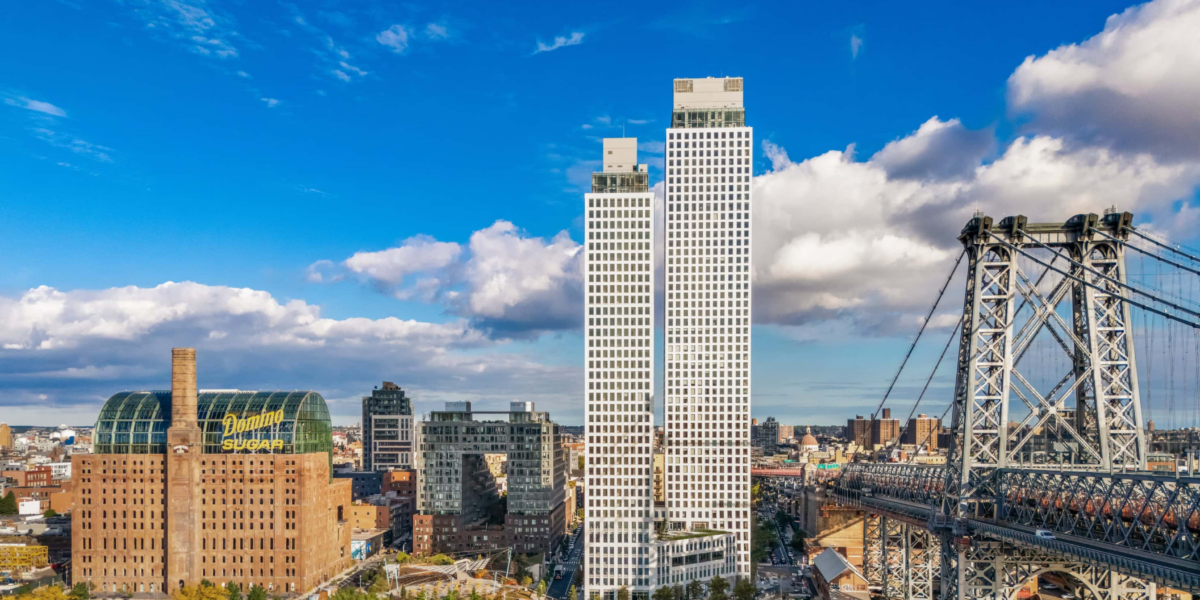
According to 6sqft, readers voted One Domino Square as the #1 building in New York City, beating out some of the most high-profile luxury projects in Manhattan. And if you’ve been paying attention to where serious buyers are actually putting their money, this result makes perfect sense.

For years, Manhattan was the default for luxury real estate. Prestige was tied to a zip code, and newer, taller, more expensive towers were seen as the ultimate prize. But the definition of “trophy property” is changing — and One Domino Square represents that shift.

This isn’t just another condo building. It’s part of the larger Domino Park redevelopment, one of the most thoughtfully executed waterfront transformations in the city. The architecture is modern but grounded, the amenities are genuinely lifestyle-driven, and the setting offers something increasingly rare in New York: space, light, and a true sense of neighborhood.

Luxury buyers today are more discerning. They care less about being in a specific borough and more about how a building actually lives day to day. They want views, design, wellness-focused amenities, and proximity to culture — without sacrificing comfort or overpaying simply for an address.

That’s where Williamsburg has quietly pulled ahead.

When a Brooklyn development beats Manhattan projects for Building of the Year, it validates what many buyers already know: Brooklyn isn’t the alternative anymore. It’s not “up-and-coming.” It’s established, desirable, and setting the tone for what modern New York luxury looks like.

One Domino Square attracts buyers who understand value beyond hype. People who prioritize quality, lifestyle, and long-term appeal over legacy assumptions. In today’s market, that mindset matters more than ever.

This is the new trophy.
And it doesn’t come with a Midtown address.

If you’re curious about new developments in Williamsburg, or want to understand where the NYC luxury market is actually headed — not where it used to be — this is exactly the conversation worth having.

New York City’s Three Casino Licenses: What the Approvals Mean for Real Estate (2025 Expert Analysis)

New York City is officially on track to get three new full-scale casinos, and the real estate implications are enormous — especially for Queens and the Bronx.

On Monday, the Gaming Facility Location Board recommended that the state Gaming Commission award licenses to:

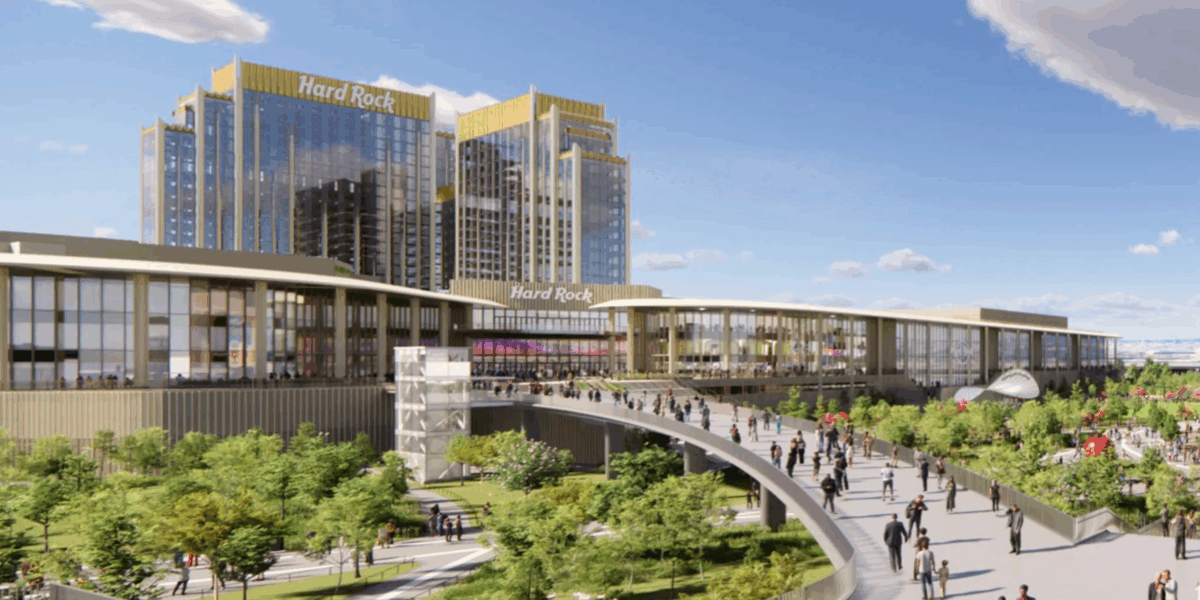
  • Steve Cohen’s $8B Metropolitan Park at Citi Field (Queens)
  • Bally’s $4B resort at Ferry Point (Bronx)
  • Genting’s $7.5B Resorts World expansion at Aqueduct (Queens)

Final approval is expected by December 31, with construction beginning as early as Q1 2026.

For developers, investors, and anyone watching NYC’s outer-borough markets, this moment is bigger than gaming licenses. It represents nearly $20 billion in private capital pouring into neighborhoods that have spent decades waiting for major investment.

The question isn’t if these casinos will reshape real estate.
It’s where the opportunities will land, which neighborhoods see the fastest appreciation, and what risks need to be priced in now — before the market fully adjusts.


The Projects: What’s Actually Being Built, and When

Metropolitan Park (Queens) — The Transformational One

Cohen’s plan with Hard Rock is essentially to rebuild the entire Citi Field/Willets Point district:

  • 1,200-room Hard Rock hotel
  • 5,650-seat music venue
  • Restaurants + shopping
  • 25 acres of park space
  • A completely rebuilt Mets–Willets Point subway/LIRR station
  • $1B in transit commitments
  • $1.5B in community benefits

Cohen has also partnered with Slate to build 450 affordable units in Corona (2 miles away).

Timeline:
Construction starts January 2026, opening 2030
License: 20 years
Scale: The most transformational project for Queens real estate — period.

Resorts World Expansion (Queens) — The Fastest to Market

Genting is adding:

  • 6,000 slots & 800 table games
  • 2,000 hotels rooms
  • 7,000-seat arena
  • 30+ new restaurants
  • Upgraded A-train transit access
  • $2B in community benefits
  • A commitment to support 50,000 workforce housing units citywide with Cirrus Real Estate

Timeline:
Could break ground within 90 days of approval, fully operational by 2028
License: 20 years
Revenue Dispute: Consultants project far less revenue than Genting claims — a key variable for investors.

Bally’s Bronx at Ferry Point — The Local Catalyst

The smallest in scale, but potentially the most neighborhood-shaping:

  • 500-room hotel
  • 2,000-seat entertainment venue
  • 3,500 slots + 250 table games
  • Community retail marketplace
  • Heavy Bronx-specific reinvestment

Timeline:
Opens 2029
License: 15 years

Bronx neighborhoods haven’t seen a private investment of this size in decades.


State Consultants Aren’t Buying the Revenue Hype

This matters.

New York’s consultants gave much more conservative revenue estimates than the casino operators.

The three casinos are projected to generate:

  • $7B in gaming tax revenue (2027–2036)
  • $5.9B in other state/local taxes

That’s real money — but far below operator projections.

Why this matters for real estate:

  • Transit upgrades depend on revenue
  • Affordable housing commitments depend on revenue
  • Community benefits packages depend on revenue

If the casinos underperform by even 20–30%, timelines for neighborhood improvements get pushed back, which directly impacts property valuations.


Regulatory Scrutiny: We’re Not Across the Finish Line Yet

The Gaming Commission still needs to finalize licenses. Chair Brian O’Dwyer emphasized the state can award fewer than three licenses if applicants fall short.

Character and fitness reviews are still underway — relevant for:

  • Steve Cohen’s long history of regulatory scrutiny
  • Resorts World’s recent $10.5M settlement over federal compliance issues

December 31 is the deadline to watch. Any slip delays the entire construction calendar — and delays appreciation windows for investors.


Residential Real Estate: Where Prices Go Next

The casinos will create more than 50,000 jobs, raise incomes in historically overlooked areas, and drive major infrastructure improvements.

But the impacts will vary neighborhood by neighborhood.


Willets Point & Corona — The Biggest Winners

Expect 15–20% appreciation within five years for homes and small buildings within walking distance of the rebuilt Mets–Willets Point station.

Drivers of growth:

  • A full mixed-use entertainment district
  • A rebuilt transit hub
  • A massive jobs influx
  • New park space
  • The Willets Point Phase 2 housing pipeline

Risk: displacement pressures for rent-burdened tenants along the 7 train.

For investors: this is the highest-upside zone in NYC over the next decade.


Ozone Park — Steady, Durable Gains

Resorts World’s expansion turns the Aqueduct corridor into a legitimate entertainment district.

Expect 10–15% appreciation for:

  • Multifamily near the A train
  • Rent-stabilized buildings within 1 mile
  • Small mixed-use along Rockaway Blvd

Risks:
Proximity to JFK brings noise and congestion — properties closest to the airport see capped upside.


Throggs Neck — Bronx Upside Without the Frenzy

Bally’s brings jobs, services, and revenue to a part of NYC that rarely sees mega-investment.

Expect 8–12% appreciation, outperforming Bronx averages but not exploding the way Queens likely will.

Key dynamic:
Homes a few blocks away from the site benefit most.
Homes adjacent to the site may face “party next door” concerns.


Commercial Real Estate: Retail, Mixed-Use & Development

The casinos collectively introduce 70,000–350,000 sq ft of new retail, reshaping corridors in Queens and the Bronx.

Expect:

  • +15% retail rent growth in casino-adjacent corridors
  • Strong demand near the 7 train and A train
  • A surge of mixed-use development near Willets Point
  • Industrial-to-flex or industrial-to-office conversions in Queens

Biggest risk for small business:
On-site dining and entertainment will capture a large share of visitor spending. Local businesses need to differentiate to avoid 10–20% competitive pressure.


Transit Improvements: The Real Catalyst for Property Values

Transit upgrades will matter more than the casinos themselves for long-term real estate value.

Metropolitan Park Transit Upgrades — A Generational Shift

  • Rebuilt Mets–Willets Point station
  • New LIRR access
  • New station entrances
  • Significantly improved pedestrian flows

This repositions the entire 7 train corridor — from LIC to Flushing.

Resorts World — Aqueduct A/C Enhancements

License fees and ongoing contributions funnel money directly to MTA operations and improvements.

Bally’s Bronx — Bus, Ferry, and Shuttle Network

  • $75M toward buses
  • Potential NYC Ferry expansion
  • Shuttles to LaGuardia and the subway

For investors, the strategy is simple:

Buy within a 10-minute walk of transit improvements, not within a 2-minute walk of the casino entrance.


Manhattan: Not Getting a Casino, But Still Benefiting

Although all Manhattan casino proposals were rejected, Manhattan will still feel the effects.

Visitor spillover:

NYC could see 10–15M additional visitors per year.
Many will stay in Manhattan hotels.

Expect:

  • +5–8% increase in hotel occupancy
  • $500M+ in secondary spending
  • Strengthening demand in Midtown and Midtown South rental markets

Commuter patterns:

Better transit in the outer boroughs reduces pressure on Manhattan congestion.

Price impact:

Manhattan won’t see a surge, but expect:

  • 3–5% rent stability/growth
  • 5% value increases in properties tied to outer-borough transit corridors

Where the Smart Money Should Go (Q4 2025–Q1 2026)

Best Value Plays

  • Ozone Park multifamily near the A train
  • Corona small buildings with strong rent upside
  • Throggs Neck single-family homes

Premium Growth

  • Willets Point development sites
  • Mixed-use along the 7 train corridor
  • Ground-floor retail near improved stations

Avoid

  • Properties immediately adjacent to casino sites
  • Auto-dependent locations lacking transit upgrades
  • Rent-sensitive zones without factoring in regulation and displacement risk

Key investor takeaway:
Appreciation is driven by transitjobs, and neighborhood repositioning — not slot machines.


Timing: The Clock Is Already Ticking

  • Sellers: peak pre-opening values likely arrive 2027–2028
  • Buyers: the pricing advantage exists right nowbefore the December 31 license approval
  • Developers: assemble sites before the 7 train and A train corridors re-rate in value

Once approvals hit, the market will price in the changes.
Those positioned early — not those reacting late — will capture the upside.


Thinking About Buying or Investing in Queens or the Bronx?

These casino approvals are the most important outer-borough real estate catalyst in a generation.

If you’re evaluating opportunities in Queens or the Bronx — or want a custom breakdown of how these projects impact your neighborhood — reach out to Ryan Garson and the Garson Team for a data-driven consultation.


FAQs

How much will Queens and Bronx property values increase because of the casinos?

Most neighborhoods near Willets Point, Aqueduct, and Ferry Point should see 8–20% appreciation over the next five years, with the strongest growth in Corona, Willets Point, and transit-adjacent parts of Ozone Park.

Will the casinos cause displacement?

Yes, displacement pressure will grow in Corona and parts of Flushing. Investors should factor in future regulations; tenants should prepare for rising rents near the 7 train.

Are the revenue projections reliable?

The state’s consultants projected far less revenue than operators claimed. If revenue underperforms, transit and housing commitments may slow — which impacts appreciation timelines.

How will the casinos affect Manhattan real estate?

Indirectly. Expect stronger hotel demand, stabilized rents, and modest value increases in neighborhoods with strong transit connections to Queens and the Bronx.

Is now a good time to buy near the casino sites?

Yes — pre-construction is the best entry point. Once final approval hits December 31, prices begin adjusting quickly.

800 Fifth Avenue: Inside Manhattan’s Most Expensive Address — And What It Means for Upper East Side Real Estate

When Naftali Group closed on 800 Fifth Avenue for $810 million in August 2025, it wasn’t just another headline-grabbing Manhattan real estate deal. It was a signal—loud and clear—about where the future of Upper East Side luxury real estate is headed.

As someone who’s closed more than 1,000 transactions across Manhattan, I’ve watched the Upper East Side shift from a “traditional” stronghold to one of the most competitive luxury markets in the country. And the story of 800 Fifth Avenue captures everything happening right now:
– a record-breaking sale,
– a rare Central Park frontage redevelopment,
– and a RAMSA-designed building poised to reset pricing expectations on Fifth Avenue.

Here’s what makes this address so important—and what buyers, sellers, and serious investors should be paying attention to.


What Makes 800 Fifth Avenue So Special?

Real estate still begins with location—and 800 Fifth Avenue may be the most coveted position in all of Manhattan.

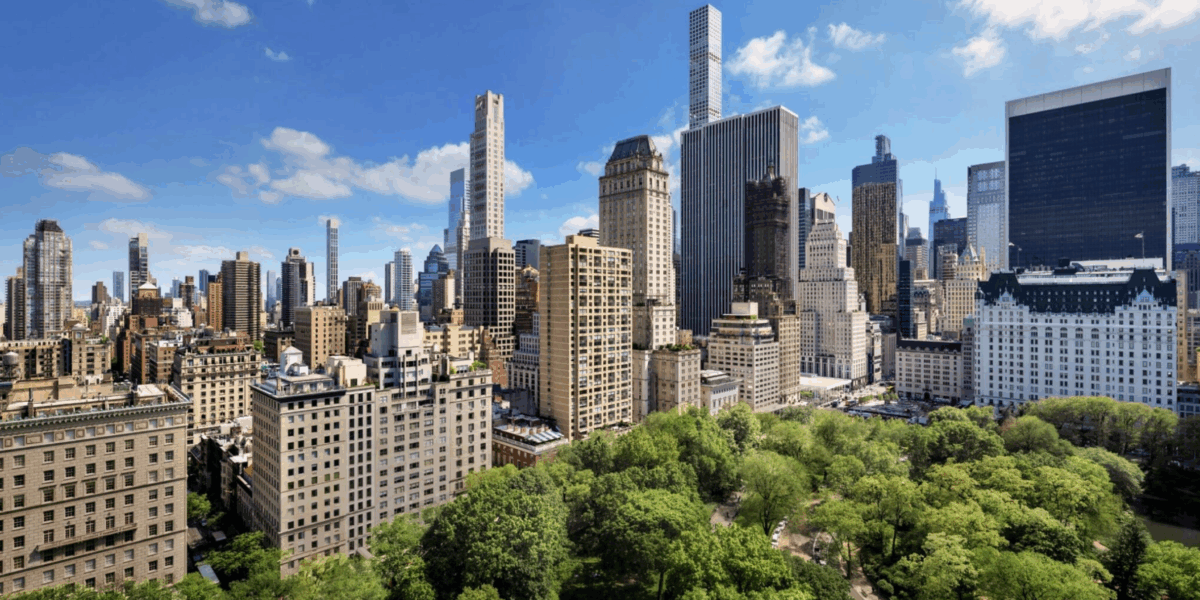
The property sits directly across from Central Park, on the northeast corner of Fifth Avenue and East 61st Street. This is not “adjacent-to-the-park” marketing language. These are real, unobstructed, once-in-a-lifetime views stretching across the treetops and all the way to the West Side skyline.

To the south: Midtown’s energy, institutions, and convenience.
To the north: the classic Upper East Side corridor of prewar co-ops, museums, private schools, and stately architecture.

A 1970s Rental With a Prime Location—and an Expiration Date

The current 33-story tower, built in 1978 by Bernard Spitzer, served for decades as one of the city’s premier luxury rentals. High-income renters loved the views and the location, but the building’s 1970s architecture always felt out of place among its limestone neighbors.

That mismatch is exactly what Naftali Group intends to change.


The $810 Million Sale:What’s Really Going On

Naftali’s $810 million acquisition—supported by $675 million in financing from JPMorgan and GoldenTree—was one of the largest multifamily trades in Manhattan in years.

But here’s the crucial part:
They’re not buying this building for its rental income.

They’re buying the last true Central Park–front development site of this scale on Fifth Avenue.

A New RAMSA Building Is Coming

Naftali plans to demolish the existing tower and replace it with a 26-story, 330-foot limestone condominium designed by Robert A.M. Stern Architects (RAMSA)—the firm behind some of the most successful luxury buildings ever built, including:

  • 15 Central Park West
  • 220 Central Park South
  • 520 Park Avenue

These buildings consistently achieve the highest price-per-square-foot numbers in New York and remain liquid in any market cycle.

RAMSA’s approach for 800 Fifth Avenue emphasizes:

  • limestone cladding
  • classical proportions
  • finely detailed window surrounds
  • a sixth-floor terrace with glass railings
  • landscaping that aligns with the Upper East Side Historic District, designated in 1981

Because the site sits inside the historic district, approvals must run through Community Board 8 and the Landmarks Preservation Commission, but early feedback indicates a smooth process. A RAMSA-designed contextual redevelopment is often exactly what Landmarks wants on Fifth Avenue.


Why the Upper East Side Is Having a Real Moment

Five years ago, everyone talked about the West Village, TriBeCa, and Williamsburg as the neighborhoods attracting new wealth. But today’s buyers—especially families and global investors—are returning to the Upper East Side for a simple reason: it delivers things you can’t replicate anywhere else.

1. Central Park Access Is Becoming Priceless

For buyers spending $5M–$25M, waking up to 843 acres of green space isn’t a perk—it’s a lifestyle choice. As remote and hybrid work continue, daily quality of life matters more than ever.

2. Cultural Capital Is a Real Draw

Where else can you walk to:

  • The Metropolitan Museum of Art
  • The Guggenheim
  • The Frick
  • The Neue Galerie

For international buyers especially, this proximity is a major value driver.

3. Privacy and Discretion Matter More Now

The Upper East Side has always offered a level of quiet, safety, and stability that downtown neighborhoods can’t. For many high-net-worth buyers, that’s become non-negotiable.

4. Schools Are a Magnet

Dalton, Spence, Brearley, Chapin, Regis, and other top-tier schools make the neighborhood a long-term investment for families.

5. Infrastructure That Just Works

Reliable transportation, walkable retail, and proximity to Midtown give the neighborhood a practicality that buyers appreciate once they’ve lived elsewhere in the city.

And the Numbers Confirm It

  • UES condo average (2025): ~ $1,650/sq ft
  • UES new development: $2,000–$2,500+/sq ft
  • Park-front trophy product: $5,000–$10,000+/sq ft

This is why 800 Fifth Avenue’s redevelopment is such a watershed moment.


How Much Will Condos at 800 Fifth Avenue Cost?

Based on current underwriting and conversations with brokers familiar with the project:

  • Projected pricing: $6,000–$11,000 per sq ft
  • Upper-floor, park-facing units could push into five-figure territory
  • A 2,000 sq ft three-bedroom could easily range between $12M and $22M

This places 800 Fifth Avenue among the top tier of New York luxury pricing—alongside 220 Central Park South, Aman New York Residences, and select units at 111 West 57th Street.

Scarcity is a major factor. There simply aren’t many Central Park–front development sites left, and none with RAMSA’s design pedigree.


Fifth Avenue vs Park Avenue: What’s the Real Difference in Pricing?

Buyers ask me this all the time.

Both avenues offer prestige, but Fifth Avenue commands a premium because you’re paying for:

  • direct Central Park frontage
  • sunset light
  • unobstructed western views
  • a uniquely emotional connection to the park

Street-by-Street Pricing Overview

Fifth Avenue:

  • Average across all product: ~ $1,677/sq ft
  • Park-facing new development: $5,000–$7,000+/sq ft
  • Trophy outliers: $10,000+/sq ft

Park Avenue:

  • New development: ~ $2,200/sq ft
  • Resale: $1,500–$1,800/sq ft

Park Avenue is elegant and residential, but it simply can’t compete with Fifth Avenue’s views. That emotional value shows up directly in the numbers.


New Development vs Resale: Why the Premium Exists

Upper East Side resale condos average $1,400–$1,500 per sq ft.
New developments average $2,000–$2,500+ per sq ft.

Why the gap?

  • New systems + modern infrastructure
  • Amenities buyers now expect (gyms, lounges, playrooms, wellness)
  • High acoustic and thermal performance
  • Customization options
  • Tax abatements
  • Architectural prestige

At 800 Fifth Avenue, this premium is multiplied by scarcity, location, and RAMSA’s reputation.


What 800 Fifth Avenue Means for Upper East Side Buyers and Investors

Here’s what smart buyers should take away:

1. The UES is entering a new architectural era

Between 985 Fifth Avenue’s redevelopment and other major upgrades, the neighborhood is seeing its most significant design refresh in decades.

2. Park-front pricing is in a category of its own

Demand for Central Park frontage is deeper and more global than ever.

3. New development sets the ceiling—resale offers the value

If maximizing square footage per dollar is the goal, resale is still a strong play.

4. Timing matters

The UES is heating up, but not at a runaway pace. Serious buyers can still act strategically.


Frequently Asked Questions

How much will apartments cost at 800 Fifth Avenue?

Most projections place pricing between $6,000 and $11,000 per sq ft, depending on height and exposure. Prime park-facing units will command the highest numbers.

When will the project be completed?

Pending Landmarks approval, demolition is expected in 2026, with completion around 2028–2029.

Why is Fifth Avenue more expensive than Park Avenue?

Direct Central Park frontage drives a 20–40% premium, plus stronger light, privacy, and long-term resale value.

Is the Upper East Side a good investment right now?

Yes. Demand is rising among both domestic and international buyers, and new developments consistently outperform the resale market.

What happens to current renters at 800 Fifth Avenue?

Units are luxury, market-rate rentals above Good Cause Eviction thresholds. Naftali is expected to handle move-outs through negotiated agreements.

How does 800 Fifth compare to 220 Central Park South?

220 CPS is a supertall with dramatic elevation. 800 Fifth offers a more intimate mid-rise scale with classic RAMSA design and equally rare park frontage.


Ready to Explore the Upper East Side Market?

Whether you’re comparing new developments, exploring resale opportunities, or trying to understand how pricing varies from Fifth Avenue to Park Avenue, I’m here to help.

With more than 1,000 Manhattan and Brooklyn transactions completed, my role is simple:
guide you with clarity, data, and a deep understanding of how this market truly works.

Let’s talk about your goals—and how the Upper East Side fits into your story.

The Economic Impact of Tourism: Why the Holiday Season Matters for NYC and How It Connects to Real Estate

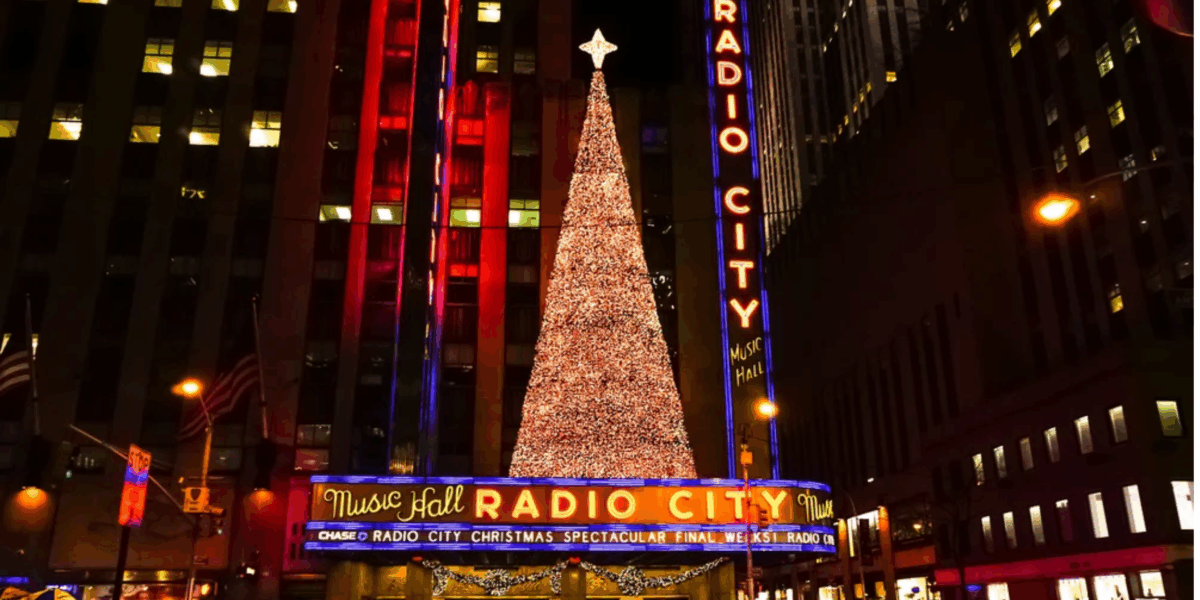
Every year as we move into November something shifts in New York City. Holiday lights start appearing. The markets open. The tree arrives. And suddenly millions of visitors pour into the city to soak in that magical winter energy.

Holiday tourism does more than create a festive atmosphere. It fuels the entire city. It lifts local businesses. It keeps neighborhoods vibrant. And even though most people do not think about it this way it also has a very real connection to the real estate market.

Tourism as an Economic Powerhouse

New York is one of the most visited cities in the world and the months surrounding the holidays are always the biggest. Year after year we see

• Millions of visitors coming for the tree the Rockettes Broadway and New Year’s Eve
• Billions in spending across hotels restaurants attractions and retail
• Seasonal jobs supporting hospitality retail and entertainment
• A major surge of revenue that helps fund the city’s essential services

When holiday tourism is strong the city feels strong. And when the city feels strong people feel more confident investing in it.

Tourism Shapes Neighborhood Identity

Tourism does not just bring spending. It brings a specific kind of energy that makes neighborhoods feel alive. Midtown SoHo the Upper West Side and Downtown absolutely glow this time of year with decorated storefronts holiday pop ups and crowds exploring every corner.

But the impact stretches far beyond the tourist hubs. Visitors take the subway everywhere. They wander into neighborhood coffee shops and boutique stores in Brooklyn Queens and uptown Manhattan. That foot traffic supports small businesses which in turn keeps neighborhoods healthy and appealing.

Healthy neighborhoods create confident buyers and confident buyers support strong real estate values.

How Holiday Tourism Connects to Real Estate

Here is where it all comes together. When tourism is thriving the real estate market feels it too.

More demand for short term and corporate stays

During the holidays families and travelers often look for furnished rentals and extended stay apartments instead of hotels. Owners with condo or townhouse units in prime areas often see increased inquiries during this season.

Visitors fall in love with the city and start imagining a life here

It happens every year. Someone comes for the holidays sees the magic of the city and quietly starts scrolling listings. Even if the purchase happens months later the seed is planted during this season.

A strong tourism sector supports long term property values

Global interest keeps the city’s economy stable. When millions of people want to be here it reinforces the long term strength of owning here. Investors and homeowners pay attention to this more than you might think.

Local businesses thrive and that makes neighborhoods more desirable

From restaurants to shops to live entertainment seasonal tourism boosts the businesses that give a neighborhood character. And neighborhood character plays a major role in perceived value.

What This Means for Buyers and Sellers This Season

The holidays are more than a busy travel period. They are a live example of what makes New York such a special place to call home. If you are exploring neighborhoods this time of year you get to see them at their most vibrant. If you are thinking about selling this season you benefit from the energy and confidence that strong tourism brings.

The Garson Team follows these seasonal shifts closely and we guide clients with clarity and confidence through all of it. Whether you are planning a move soon or gathering information for the future this is a great moment to connect.

The Bottom Line

Holiday tourism is one of New York City’s most powerful economic engines. It fuels our small businesses. It energizes our streets. And it strengthens long term confidence in the market. When the world wants to be here people want to live here.

And as always The Garson Team is here to help you navigate every part of the journey with trusted insight and support.

Louis Vuitton’s New 485 Foot Flagship Tower and What It Means for Midtown Manhattan Real Estate

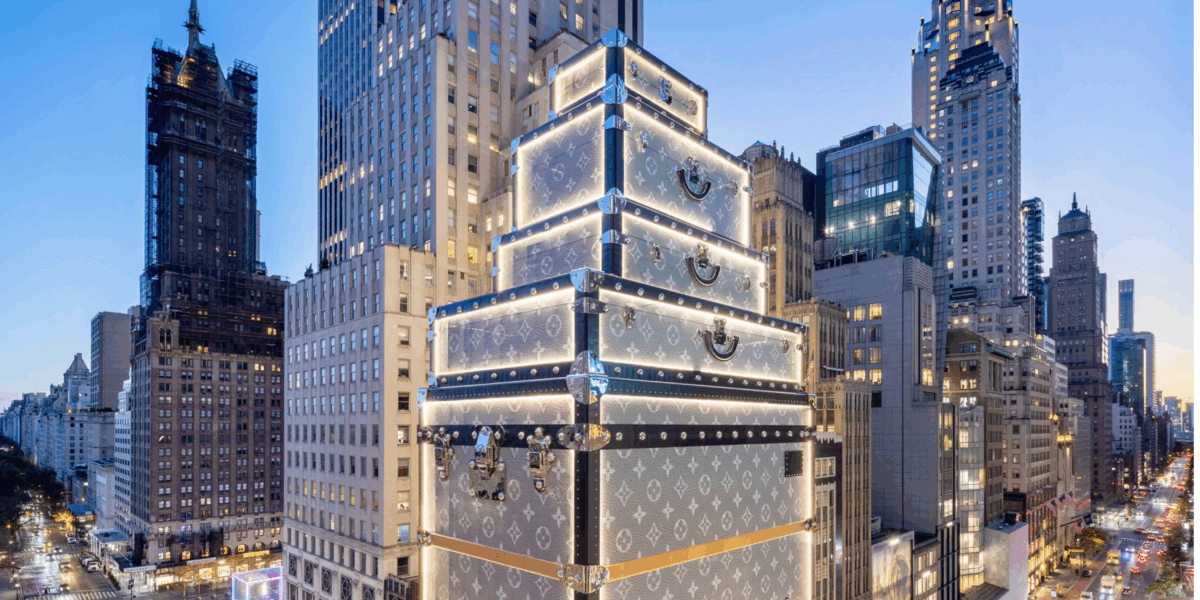
When a global luxury icon makes a bold architectural move, the entire city feels it. That is exactly what is happening with Louis Vuitton’s newly revealed plans for a 485 foot flagship tower at 1 East 57th Street. This project is more than a retail upgrade. It is a real statement about the future of Midtown Manhattan and the luxury corridor that defines Fifth Avenue.

A New Architectural Landmark

Louis Vuitton is transforming its long standing corner location into a soaring 25 story tower that will completely reimagine what a flagship store can be. The design features a sculpted glass curtain wall that curves gently toward Fifth Avenue, giving the building a modern fluid presence against the classic Midtown skyline.

The bottom floors will house the new flagship retail experience. The top floors will include private client spaces, luxury hospitality experiences, and curated areas that blend fashion, art, dining, and culture. It is designed to feel less like a store and more like an environment.

This is not just a renovation. It is a full scale reinvention.

What This Means for New York’s Luxury Corridor

When a brand like Louis Vuitton makes a move of this scale, it sends a clear message. Fifth Avenue and 57th Street remain one of the most powerful luxury destinations in the world.

This tower will sit at a crossroads that already includes Tiffany, Chanel, Bergdorf Goodman, and some of the highest end retail in the country. The addition of this new flagship heightens the prestige of the entire corridor and reinforces Midtown as a global fashion and culture hub.

It is also a sign that luxury retail is not only recovering. It is evolving.

The Real Estate Impact

Luxury retail has always played a major role in shaping New York’s real estate story. A project of this size influences the market in several ways.

A boost in long term property value

High end retail anchors create stability and desirability for surrounding blocks. When a global fashion house invests in a signature tower, it reinforces confidence in the area. That confidence translates to long term property value for both commercial and residential neighbors.

Increased demand from international buyers

Luxury brands attract international visitors and high net worth clients. Many who shop on Fifth Avenue also buy on Fifth Avenue. A revitalized luxury corridor often leads to increased interest in nearby condo buildings and branded residences.

Stronger commercial momentum

Where major brands invest, others typically follow. Developers and investors watch these moves closely because they signal future demand. Louis Vuitton’s project may inspire additional retail redevelopment along the corridor and strengthen Midtown’s commercial revitalization.

A refreshed identity for 57th Street

While Billionaires Row has long been known for its residential towers, this project broadens the identity of 57th Street. It blends luxury living, luxury retail, and luxury experience into one ecosystem. That synergy tends to attract both foreign investment and local buyers looking for proximity to the city’s highest end offerings.

The Bottom Line

Louis Vuitton’s new flagship tower is more than an architectural statement. It is a powerful vote of confidence in Midtown Manhattan. It tells the world that New York’s luxury market is not slowing down and that the intersection of Fifth Avenue and 57th Street remains one of the most desirable destinations in global retail.

For buyers sellers and investors this kind of development matters. It signals long term stability growth and prestige for the neighborhood. And it shows that in the heart of Manhattan luxury continues to reinvent itself.

Second Avenue Subway Phase 2: What Three Years of Tunnel Boring Means for East Harlem Real Estate

If you’ve lived in New York long enough, you know the city only really moves in two ways: slowly… and then all at once. And nothing proves that better than the Second Avenue Subway.

Phase 2 has been talked about for decades. Planned. Paused. Re-planned. Re-funded. Debated over more than some presidential candidates. But now? We finally have a real, actionable timeline—tunnel boring begins in 2027 and runs through 2030.

That’s not just construction news. That’s a neighborhood-shifting, value-moving, investor-alerting milestone.

And if you own, want to own, or are thinking about making moves in East Harlem, this timeline should be on your radar. Because in NYC, transit isn’t just transportation—it’s destiny.

At The Garson Team, we watch these projects like hawks. Not because we’re transit nerds (okay, maybe a little), but because infrastructure changes the map of real estate opportunity. And East Harlem is on the brink of one of the biggest neighborhood upgrades Manhattan has seen in years.

Let’s break down what’s actually happening—and what it means for your bottom line.


What’s Actually Happening: The Real Timeline

This isn’t a vague political promise. A tunneling contract is signed, funded, approved. That means:

2027–2030: Three Years of Tunnel Boring

Massive tunnel boring machines—think Godzilla-sized steel cylinders—will dig the underground pathways that the future Q train will run through. This is the loudest, messiest, most disruptive phase. But it’s also the phase that creates the greatest early opportunity.

2030+: Stations, Tracks, and All the Magic That Makes Trains Go

Once the tunnels are carved, the MTA shifts to:

  • Building the 106th St station
  • Building the 116th St station
  • Building the 125th St megahub
  • Installing tracks, signals, ventilation, electrical systems

Projected Opening: Mid-2030s

The MTA won’t commit to a precise date (shocking, I know), but early-to-mid 2030s is realistic. And once it opens? East Harlem becomes a different place entirely.


Why This Matters: Transit = Value. Always.

There are very few universal laws in NYC real estate. Here’s one of them:

Where the subway goes, value follows.

Full stop. No debate

How Robert Moses Built the New York You Know Today

Once You Read The Power Broker, You Never Walk Through New York the Same Way Again

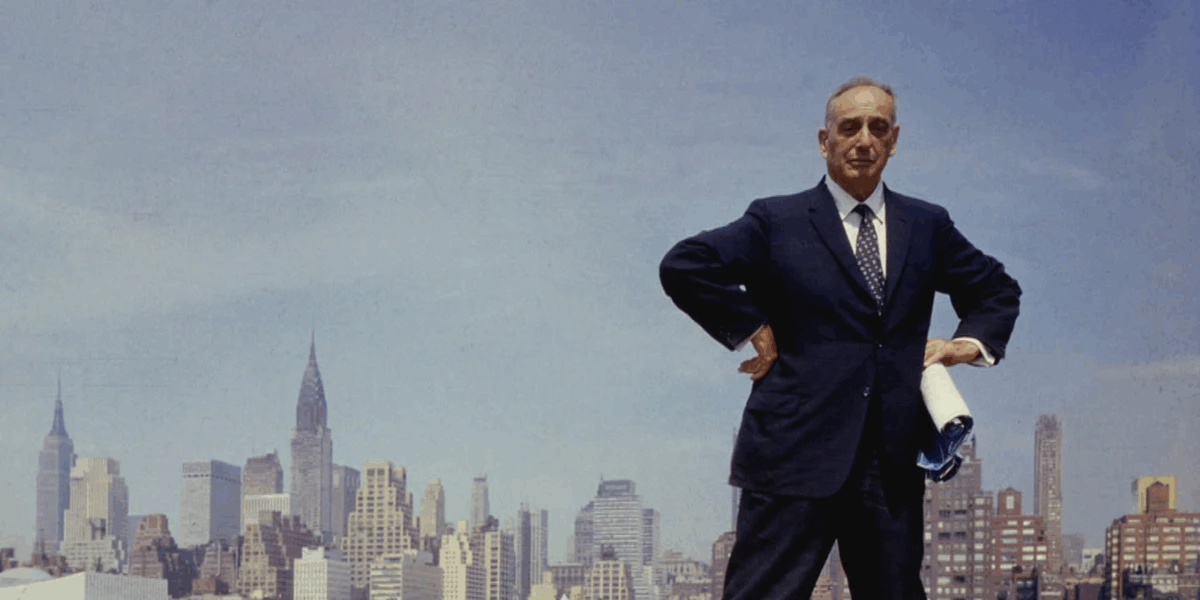
There’s a moment when reading Robert Caro’s The Power Broker when you realize you’ve been living inside Robert Moses’s version of New York your entire life—you just never knew his name.

Every time you sit in traffic on the Cross Bronx Expressway, cross the Triborough Bridge, or spend a summer day at Jones Beach, you’re experiencing Moses’s New York. The city’s highways, parks, bridges, and even neighborhood boundaries were shaped by one unelected man who wielded more influence than most mayors and governors combined.

Understanding Robert Moses isn’t just history—it’s the key to understanding how New York City real estate, neighborhoods, and infrastructure work today. For The Garson Team, knowing this story helps us guide buyers, sellers, and investors through the living, evolving organism that is New York City.


The Master Builder Who Reshaped New York City

From the 1920s through the 1960s, Robert Moses led the most dramatic transformation of any city in American history. The numbers are staggering: 13 bridges, 416 miles of parkways, 658 playgrounds, and millions of acres of parkland.

Moses wasn’t just a builder—he was a political engineer. Through independent “authorities” like the Triborough Bridge and Tunnel Authority, he sidestepped city councils and mayors. Funded by tolls and bonds, he built at a scale no modern planner could match.

Governors like Al Smith and mayors like Fiorello LaGuardia gave him free rein because he got things done. His vision was clear: modernize for the automobile age. Build expressways, expand park access, and replace “slums” with highways and towers.

His imprint remains everywhere—from the United Nations headquarters and Lincoln Center to Stuyvesant Town, Shea Stadium, and the arterial web of expressways that defines New York’s movement and identity.


Power and Politics: Then vs. Now

Robert Moses’s reign represents the extreme of centralized power.
He made decisions without community input or environmental review. If he wanted to bulldoze a neighborhood—and he did—there was no stopping him.

Today’s New York is almost the opposite. Modern development follows the Uniform Land Use Review Procedure (ULURP), requiring public hearings, environmental impact studies, and City Council approval. Community boards and local voices now play a crucial role in shaping city planning.

It’s slower, messier, and far more democratic.
But it raises an enduring question: How do we build boldly without repeating the mistakes of Moses’s era?


The Lasting Impact on New York Neighborhoods

Moses’s highways didn’t just move cars—they divided communities.

The Cross Bronx Expressway destroyed thriving South Bronx neighborhoods in the 1950s, displacing thousands of working-class families. The effects—disinvestment, poverty, and urban decline—still echo today.

Even the bridges to Jones Beach, deliberately designed with low clearances to block buses, reveal his bias toward wealthier, car-owning visitors.

Public housing projects he sited near highways became isolated enclaves, shaping the social and economic geography of the city.

These choices still define New York real estate patterns, commute times, school districts, and property values. Every map of NYC’s infrastructure still traces the outlines of Robert Moses’s power.


The New Builders: Reimagining the City

Today’s major urban projects reflect a complete rejection of Moses’s car-first mindset.

  • The High Line transformed an abandoned elevated rail line into a pedestrian park and urban oasis—an emblem of adaptive reuse and community-driven design.
  • Hudson Yards and the Hudson River Park expansion show how development now integrates sustainability, cultural space, and public engagement.
  • Governors Island’s redevelopment prioritizes climate resilience and green space.
  • The Brooklyn-Queens Expressway (BQE) redesign asks whether a divisive highway can be reimagined to reconnect neighborhoods.
  • The East Side Coastal Resiliency project protects Manhattan’s waterfront while expanding public parks and access.

These initiatives take longer and cost more than Moses’s projects—but they embody modern New York values: sustainability, equity, and community participation.


Why This Matters for Real Estate

For anyone navigating New York City real estate, understanding Robert Moses’s legacy is practical knowledge.

His highways still determine commute times. His parks shape neighborhood desirability. His urban renewal projects influence where value—and opportunity—exists today.

At The Garson Team, we connect historical context with today’s market trends. We help clients understand why some neighborhoods are rising, why others feel disconnected, and how city planning continues to shape property values and development potential.

Whether you’re buying, selling, or investing, knowing how Moses’s vision and today’s planning policies interact gives you an edge in understanding New York’s ever-evolving landscape.


The City Never Stops Building

Robert Moses proved how one person could reshape an entire metropolis. But his legacy also showed the dangers of unchecked power.

Modern New York aims to build differently—through collaboration, inclusion, and environmental responsibility. Yet the core tension remains: how to balance ambition with accountability.

New York never stops building, never stops debating how to build, and never stops reinventing itself. Understanding that cycle—from Moses to the modern era—makes you more than a resident. It makes you a true New Yorker.

And when it comes to real estate in New York City, that understanding isn’t just history—it’s strategy.

Is Brand New Worth the Premium? Comparing Resale vs. New Construction in Manhattan (2025 Guide)

The Manhattan Premium Puzzle: When “New” Doesn’t Always Mean “Better Value”

In most markets across the U.S., the price gap between new construction and resale homes has narrowed to just 3–8%. In Manhattan, however, that difference remains striking. New development condominiums in 2025 still command an average premium of 20–25% over comparable resale properties—more than double the national spread.

This discrepancy raises a critical question for Manhattan buyers: Is a brand-new condo in Hudson Yards, SoHo, or Billionaires’ Row truly worth the added cost?

In a city where square footage is gold, the decision isn’t simply about aesthetics. It’s about carrying costs, appreciation potential, and the long-term economics of ownership. This guide breaks down how new and resale properties compare across key categories—and which delivers better value depending on your goals.


What Are the Real Costs of New Construction in Manhattan?

The Price Premium

In 2025, most new developments in Manhattan list between $2,000–$3,000 per square foot, while resale condos average $1,400–$2,200 per square foot. That difference can add $600,000–$800,000 to the purchase price of a 1,000-square-foot two-bedroom apartment.

But sticker price is only part of the story. New construction buyers often face higher carrying costs, steeper common charges, and post-abatement tax increases that reshape total ownership costs over time.


Higher Monthly Carrying Costs

While some new developments still benefit from temporary tax abatements (such as legacy 421-a exemptions), most buyers should prepare for higher monthly costs once those expire. Common charges are typically elevated due to amenity-rich offerings—from lap pools and golf simulators to 24-hour concierges and rooftop lounges.

Monthly costs for these features often range from $800 to $1,500+, meaning buyers are effectively paying a lifestyle premium every month. The question is whether those amenities truly enhance your daily life or simply elevate the marketing brochure.


Timeline and Delivery Risk

Buying new construction in Manhattan is often a 12–24-month commitment between contract signing and occupancy. Purchasers place 10–20% deposits up front, with no ability to occupy or rent until completion.

Market cycles, construction delays, and shifts in financing conditions can all impact your investment before you even move in. By contrast, resale properties offer immediate occupancy and a clearer understanding of the final product.


Amenities and Finishes: Modern Convenience vs. Timeless Character

The Case for New Construction

The allure of new development is undeniable:

  • Modern infrastructure — new HVAC, electrical, and plumbing systems under warranty
  • Energy efficiency — 25–30% improvement over Manhattan’s pre-war stock
  • Technology integration — smart home wiring, high-speed connectivity, and keyless access
  • Design-forward layouts — open kitchens, spa bathrooms, and floor-to-ceiling windows

For busy professionals or pied-à-terre buyers, the turnkey convenience of moving into a flawless, fully-finished apartment can be worth the premium. However, customization is limited—buyers typically pay steep surcharges for even modest design changes.


The Case for Resale

Resale properties appeal to those who value character, space, and control. Classic pre-war co-ops on Park Avenue or brownstones in the West Village often feature details that new towers can’t replicate: 10-foot ceilings, herringbone floors, and architectural craftsmanship.

For design-driven buyers, the ability to renovate to taste can be compelling. Yet, customization comes with significant costs—and in Manhattan, those costs add up quickly.


The True Cost of Renovating a Manhattan Apartment

Renovation Pricing in 2025

Renovation expenses vary widely by scope, but expect to budget:

  • $100–$200 per sq. ft. for light cosmetic updates
  • $250–$400+ per sq. ft. for full gut renovations

That means a comprehensive renovation of a 1,000-square-foot condo can easily exceed $300,000, not including temporary housing or carrying costs during construction.


Hidden Costs and Delays

Renovating in Manhattan involves far more than construction:

  • Architectural plans: $10,000–$20,000
  • Permits and filings: $2,000–$5,000
  • Building fees and insurance: $2,000–$10,000
  • Temporary housing: $3,000–$10,000/month during the build

And then there’s the board approval process, especially for co-ops. Approvals can take 2–3 months before work even begins, followed by restricted working hours and potential penalties for missed deadlines.

For buyers on tight timelines—or those averse to logistical hurdles—resale renovations can feel like a second full-time job.


Resale Value and Long-Term Appreciation

The Depreciation Curve of “New”

Like a luxury car, new construction begins to lose its “newness” almost immediately. Once initial closings occur, resale units in the same building may trade below sponsor pricing, particularly in neighborhoods with heavy development pipelines like Hudson Yards or Long Island City.

Buyers who paid full price during the launch phase often struggle to recover that premium unless the building has extraordinary architecture or limited competition nearby.


Resale Properties: Enduring Value in Established Locations

Resale properties often outperform over the long term because location scarcity drives appreciation. Prime neighborhoods such as Tribeca, Central Park West, and the West Village have limited new supply, ensuring that well-maintained older inventory retains demand.

A pre-war co-op on Park Avenue may lack a gym or concierge, but its architectural heritage and address prestige often outweigh any amenity gap.


The 30-Year Cost Comparison

Over decades of ownership, the gap between new and resale narrows. While new construction saves on maintenance and utilities, older buildings often appreciate faster due to prime locations.

Nationally, lifetime ownership costs for new construction average around $820,000, compared with $910,000 for resale. Yet, in Manhattan—where renovation and appreciation dynamics differ—the right resale property can outperform a new build over time, particularly in supply-constrained neighborhoods.


When Paying the Premium Makes Sense

New construction is worth the added cost if you:

  1. Value convenience — you want to move in without managing a renovation
  2. Plan a long-term hold — staying 10+ years allows appreciation to offset the premium
  3. Use the amenities — from fitness centers to private lounges, you’ll leverage the building’s full offering
  4. Prioritize low maintenance — new systems reduce early repair costs
  5. Desire architectural prestige — select trophy developments by architects like Zaha Hadid or Norman Foster will maintain cachet

When Resale Delivers Better Value

Resale properties typically offer stronger fundamentals when you:

  1. Prioritize location — want to live on a specific Manhattan block or established neighborhood
  2. Need more space — pre-war layouts offer larger proportions and real dining rooms
  3. Have a design vision — you’re willing to renovate to achieve your dream aesthetic
  4. Can navigate co-op boards — approval processes are slower but manageable with guidance
  5. See investment upside — you identify underpriced units with renovation potential

Decision Framework for Manhattan Buyers

Ask yourself:

Financial

  • Can I justify the upfront premium and higher monthly costs?
  • Do I have capital and time to manage a renovation?
  • What’s my ownership horizon?

Lifestyle

  • Do I want to move immediately or can I wait 12–24 months?
  • Will I actually use the building’s amenities?
  • How much time do I want to spend managing my property?

Market Positioning

  • Is the neighborhood still in expansion mode, or mature and supply-limited?
  • Does the building have features that differentiate it in the long run?

Frequently Asked Questions

Q: Are new construction condos in Manhattan a good investment in 2025?
A: It depends on the building and location. Prime developments by renowned architects tend to hold value, while high-volume projects in emerging areas may face price compression once initial excitement fades.

Q: How much should I budget to renovate a Manhattan apartment?
A: Expect $150–$400 per square foot, plus 10–15% in soft costs for design, permits, and building fees. A 1,000-square-foot gut renovation typically totals $300K–$400K and takes 8–12 months.

Q: What hidden costs do buyers overlook in new construction?
A: Common charges for amenities and post-abatement property tax increases can add thousands annually. Always review the building’s offering plan and projected tax schedules.

Q: Is it easier to buy new or resale?
A: New condos offer straightforward closings with no board interviews, but longer wait times. Resales—especially co-ops—require approval but offer immediate occupancy and potential negotiation leverage.

Q: Are lightly used condos (2–5 years old) a smart middle ground?
A: Often, yes. Lightly used condos combine modern features with reduced premiums and no construction risk, providing a strong balance between value and convenience.


Your Next Move: Work with a Trusted Manhattan Real Estate Expert

Whether you’re drawn to the allure of new construction or the charm of resale, navigating Manhattan’s complex market requires experience and precision.

Ryan Garson and the Garson Team combine deep local knowledge with data-driven analysis to help buyers make confident decisions. From evaluating true value across neighborhoods to negotiating sponsor pricing or resale opportunities, we guide you through every step.

Looking for your next Manhattan condo or co-op?
Contact Ryan Garson today for a personalized consultation and property strategy.

From Offices to Apartments: How “City of Yes” Is Transforming Manhattan’s Skyline

The Manhattan skyline is quietly being redefined. Across Midtown and Lower Manhattan, empty office towers are being reimagined as residential buildings — a transformation that could add over 40,000 new homes to the city by 2035.

This surge in commercial-to-residential conversion projects in NYC represents the largest adaptive reuse wave in decades, driven by a perfect storm of post-pandemic office vacancies, historic zoning reforms, and aggressive tax incentives.

If you’re a buyer, seller, or investor trying to understand where Manhattan’s housing market is headed, this shift matters. Let’s explore how the City of Yes initiative is changing the rules — and reshaping the future of urban living in New York City.


What Is the “City of Yes” Initiative?

Passed in late 2024, City of Yes for Housing Opportunity is the most comprehensive zoning reform New York City has seen since 1961. The initiative’s goal: to unlock housing potential citywide by removing outdated zoning barriers and creating more opportunities for residential growth.

Key changes impacting Manhattan:

  • Expanded eligibility for office-to-residential conversions to include buildings constructed before 1991 (previously only pre-1961).
  • Relaxed zoning restrictions in areas like Midtown East, Midtown South, and parts of the Financial District.
  • Raised or eliminated Floor Area Ratio (FAR) limits for older buildings that include affordable housing.
  • Faster approvals through the new Office Conversion Accelerator Program.

The city projects over 80,000 new homes across all five boroughs within 15 years — with nearly 10,000 units in Midtown South alone through conversions and infill development.


Why Now? The Perfect Storm for Manhattan Conversions

Several powerful forces are converging to make 2025 a turning point for Manhattan’s real estate market.

1. The Remote Work Legacy

Hybrid work patterns have left Manhattan with record office vacancies — especially among Class B and C office towers built in the 1950s–1980s. Rather than sitting empty, these outdated properties are prime candidates for residential conversions.

2. A City Desperate for Housing

NYC’s housing shortage remains acute, with rental vacancy rates under 2%. Converting unused office space into housing solves two problems at once: it revitalizes obsolete commercial buildings while easing residential supply pressures.

3. Incentives That Actually Work

The 467-m “Affordable Housing from Commercial Conversions” program (enacted in 2024) offers developers 25–35 years of property tax exemptions — full relief during construction, followed by decades of reduced assessments.

To qualify for the maximum 35-year benefit, projects must break ground before June 30, 2026 and reserve at least 25% of units as income-restricted, averaging 80% of Area Median Income (AMI), with 5% at 40% AMI.

For many developers, that trade-off is well worth it.


The Numbers: How Much Housing Are We Talking About?

The scale of this conversion movement is remarkable:

TimelineEstimated New UnitsOffice Space Converted
1-Year (2025–2026)5,0004.1M sq. ft.
5-Year (through 2030)17,400–25,00015.2M sq. ft.
10-Year (by 2035)40,000+One-third of obsolete office space south of 59th Street

In short, these conversions could increase Manhattan’s housing inventory by 4–5% over the next decade — a meaningful shift in a market starved for supply.


Where the Action Is: Manhattan’s Conversion Hotspots

While zoning changes apply citywide, a few neighborhoods are leading the charge.

Financial District & Lower Manhattan

The FiDi area remains the epicenter of adaptive reuse, with headline projects like:

  • 25 Water Street (1,320 rentals)
  • 55 Broad Street (571 rentals)
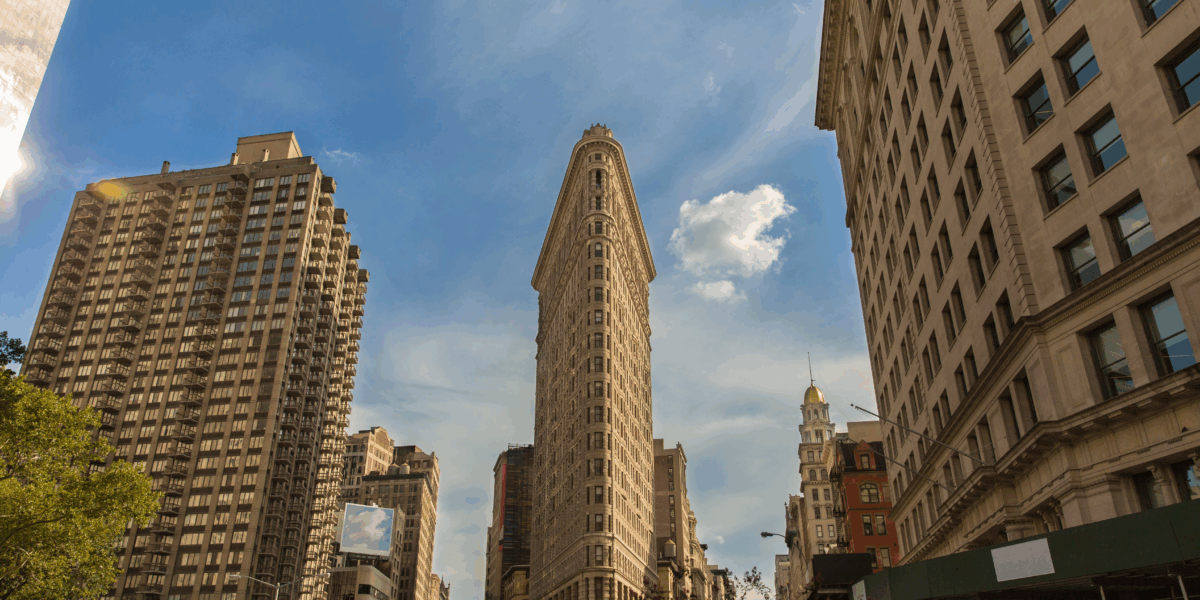
  • The Flatiron Building (upcoming condo conversion)

These follow in the footsteps of pioneering conversions like 70 Pine Street and 1 Wall Street, which proved that old offices can make desirable homes.

Midtown East

Once strictly commercial, Midtown East is fast becoming a residential frontier, with major projects such as:

  • 235 East 42nd Street (Pfizer HQ) – 1,600 rentals
  • 1011 First Avenue – 420 units
  • 750 Third Avenue – upcoming conversion pipeline

Third Avenue’s abundance of mid-century towers creates a deep pool of opportunities for conversion.

Times Square & Midtown West

Projects like 5 Times Square (1,250 rentals) and 1740 Broadway are redefining Midtown’s identity, while 6 East 43rd Street (Emigrant Savings Bank) adds 441 rentals, including 111 affordable units.

Hell’s Kitchen

One of the city’s boldest announcements: Silverstein Properties and Metro Loft’s 2,000-unit conversion proposal. With proximity to Midtown and the Hudson Yards corridor, this neighborhood could become a flagship example of “City of Yes” in action.


The Developer’s Dilemma: Incentives vs. Obstacles

Major Incentives

  • $5.6 billion in tax-funded benefits already committed under 467-m
  • Office property values down ~45% since 2020, lowering acquisition costs
  • Renewed lending confidence, with financing returning to the market (e.g., Brookfield’s $300M loan for 6 East 43rd Street)

Significant Challenges

  • Conversion costs averaging $500–$660 per sq. ft.
  • Complex building codes governing light, ventilation, and structural safety
  • Political resistance to the estimated $5.1 billion in lost future tax revenue
  • Limited viable inventory among older Class B/C buildings

What This Means for Manhattan’s Future

These conversions represent more than a market shift — they’re reshaping how New Yorkers live and work.

  • For Buyers & Renters: Expect thousands of new apartments (many rent-stabilized or income-restricted) in Midtown and Lower Manhattan — bringing new life to once 9-to-5 neighborhoods.
  • For Communities: The shift toward residential use will drive demand for schools, grocery stores, gyms, and nightlife, turning business districts into true 24-hour neighborhoods.
  • For Sustainability: Conversions reduce demolition waste and preserve embodied carbon, making adaptive reuse a greener path to housing creation.

With the City of Yes zoning reforms, the 467-m tax program, and the office vacancy crisis converging, New York City stands at a once-in-a-generation inflection point. The next 12–18 months will determine which developers seize the moment — and which neighborhoods will evolve most dramatically.


Final Thoughts

For anyone invested in Manhattan real estate — whether as a homeowner, landlord, or market observer — the office-to-residential conversion boom isn’t just a trend. It’s the defining story of Manhattan’s next decade.


Ready to Explore the Future of Manhattan Living?

Whether you’re buying, selling, or investing, understanding these market shifts is key to making the right move.
Contact The Garson Team today to learn how “City of Yes” and Manhattan’s transformation could impact your real estate goals.

We’re here to guide you through New York’s evolving skyline — with local expertise, market insight, and a results-driven approach.


Frequently Asked Questions

Q: What is the City of Yes for Housing Opportunity?
A: It’s a 2024 zoning reform package designed to make it easier to build and convert buildings into housing citywide, especially in Manhattan and other high-demand areas.

Q: How many new apartments could office conversions add in Manhattan?
A: Over 40,000 by 2035 — roughly a 4–5% boost to total housing inventory.

Q: What are the main tax incentives for conversions?
A: The 467-m program offers up to 35 years of property tax relief for projects that include affordable housing and start construction before mid-2026.

Q: Which neighborhoods are leading office-to-residential conversions?
A: Financial District, Midtown East, Times Square, and Hell’s Kitchen are currently the most active.

Q: How will these conversions change Manhattan neighborhoods?
A: Expect more 24-hour mixed-use communities, new local businesses, and a more balanced residential presence in areas once dominated by offices.