Why a Buyer’s Agent Still Matters in Today’s Real Estate Market

Today’s homebuyer has more information at their fingertips than ever before. Listings appear instantly online. Market data is readily available. You can tour apartments, compare neighborhoods, research buildings, and even estimate monthly payments without ever speaking to an agent.

So, it’s fair to ask: What does a buyer’s agent actually bring to the table?

The answer is much more than finding the property.

A great buyer’s agent is an advisor, advocate, negotiator, and resource throughout one of the largest financial decisions most people will make. And in a market as nuanced as New York City, having someone representing your interests can make an enormous difference.

Finding a Home Is Only the Beginning

Most buyers begin their search online, and that’s a great place to start. But seeing what’s available is very different from understanding what you’re looking at.

Two apartments with similar asking prices can represent completely different opportunities. One may be priced aggressively to generate competition. Another may have been sitting on the market for a reason. A seemingly perfect apartment could be in a building with financial considerations that deserve a closer look, while another property might offer value that isn’t immediately obvious from the listing.

A buyer’s agent helps put all of that information into context.

At The Garson Team, we don’t believe our job is simply to send buyers listings. It’s to help them understand the market behind those listings and determine which opportunities actually make sense for them.

Representation Means Having Someone on Your Side

The listing agent represents the seller. Their responsibility is to help their client achieve the best possible outcome in the transaction.

As a buyer, you deserve that same level of representation.

Your buyer’s agent is there to advocate for your priorities, from evaluating the property and determining an offer strategy to navigating negotiations and keeping the transaction moving toward the closing table.

That becomes particularly important when there are multiple offers, complicated deal terms, co-op requirements, financing considerations, inspection findings, or unexpected issues along the way.

The goal isn’t simply to get an accepted offer. It’s to help you make a smart purchase on terms you’re comfortable with.

Knowing What to Ask

Some of the most valuable work a buyer’s agent does happens before an offer is ever submitted.

What have comparable properties actually sold for?

How long has the home been on the market?

Has the price changed?

What is happening elsewhere in the building?

How competitive is this particular segment of the market?

Are there upcoming assessments or building considerations to understand?

What terms could make an offer more attractive beyond simply increasing the price?

Knowing which questions to ask, and how to interpret the answers, is where experience becomes incredibly valuable.

Negotiation Is About More Than Price

Price matters, but it isn’t the only component of a real estate negotiation.

Timing, financing, contingencies, flexibility, closing dates, and the overall strength of an offer can all influence a seller’s decision.

Every transaction is different, which is why we believe negotiation should never be approached with a one-size-fits-all strategy.

Sometimes the right advice is to move quickly. Sometimes it’s to negotiate. And sometimes the best advice we can give a buyer is to walk away.

Our responsibility is not to convince someone to purchase a property. It’s to give them the information and perspective they need to feel confident about whatever decision they make.

In New York, Local Knowledge Matters

New York City real estate has its own language.

Co-ops, condos, board packages, financial requirements, building rules, closing costs, attorneys, managing agents, lenders, inspections, and approvals can make even a relatively straightforward transaction feel complicated.

Then there are the nuances that come from understanding individual neighborhoods and buildings.

That knowledge is difficult to replicate through an online search.

Having an experienced agent who understands both the market and the process can help buyers anticipate what’s coming rather than simply reacting to it.

The Right Agent Should Make the Process Feel Clearer

Buying a home is exciting, but there are inevitably moments when it can feel overwhelming.

A good buyer’s agent shouldn’t add more noise. They should help filter it.

We want our buyers to understand what is happening, why it matters, and what comes next. That means being available for questions, communicating clearly, coordinating with the other professionals involved in the transaction, and helping solve problems when they arise.

Because ultimately, buying a home isn’t just about getting to the closing table.

It’s about getting there feeling confident that you made the right decision.

Thinking About Buying in New York City?

Whether you’re purchasing your first apartment, moving across town, looking for a pied-à-terre, or making your next investment, The Garson Team is here to help you navigate the process from the first conversation through closing.

Ready to start your search? Connect with The Garson Team to talk about what you’re looking for and how we can help you find your place in New York.
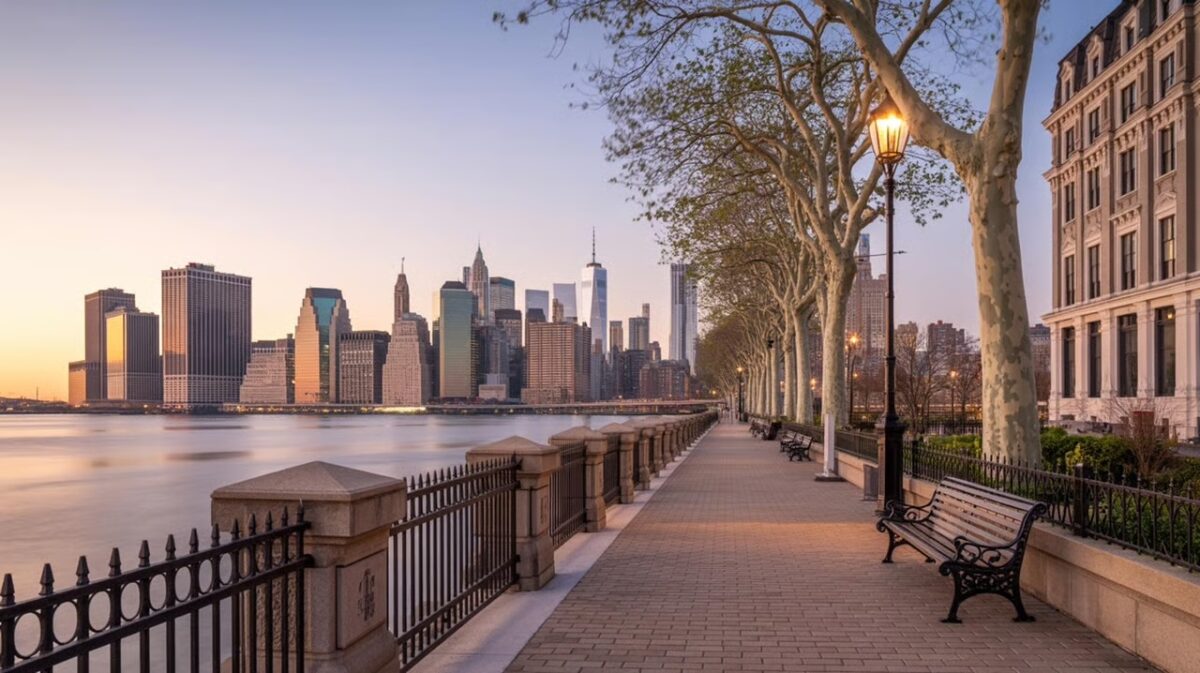

Neighborhood Spotlight: Brooklyn Heights

Historic Charm. Waterfront Living. Timeless New York.

Some neighborhoods chase trends. Brooklyn Heights has spent more than two centuries setting the standard.

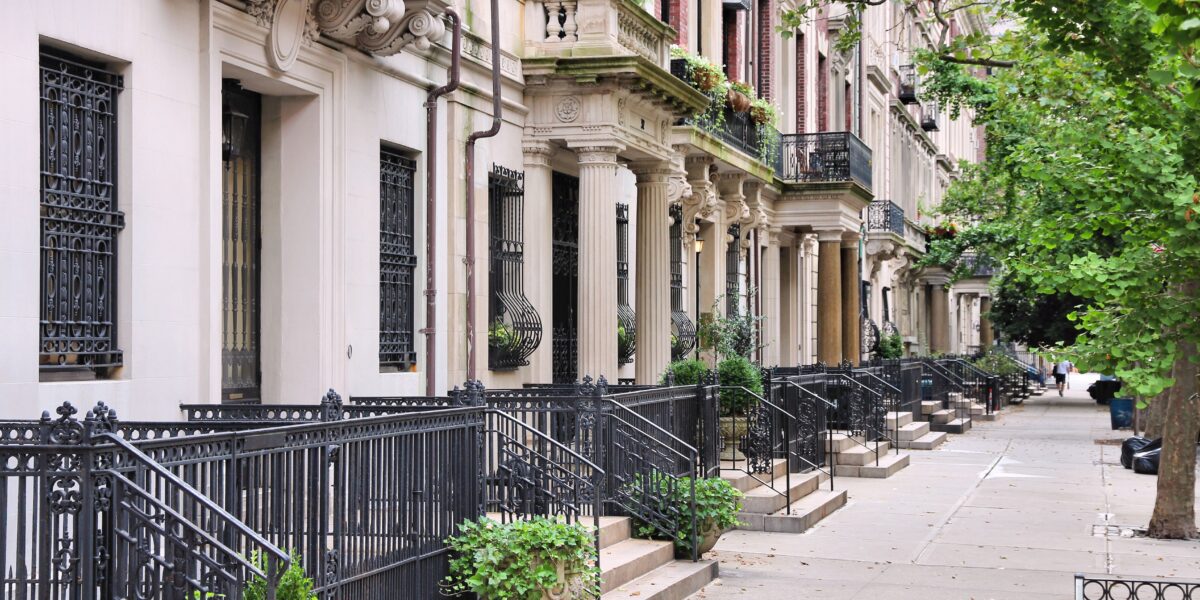
Tucked between the East River and Downtown Brooklyn, Brooklyn Heights offers tree-lined streets, historic brownstones, breathtaking skyline views, and one of the most peaceful residential atmospheres in New York City. It feels worlds away from the city’s nonstop pace, yet Manhattan is only one subway stop or a short ferry ride away.

Why Buyers Love Brooklyn Heights

Brooklyn Heights is known for its architectural beauty, quiet charm, and strong sense of community. The neighborhood blends classic New York elegance with modern conveniences, making it a favorite among professionals, families, and anyone looking for a more relaxed pace without sacrificing accessibility.

Residents enjoy:

  • Beautiful brownstones and historic townhomes
  • Luxury waterfront condominiums
  • Excellent public and private schools
  • Easy access to Manhattan
  • Boutique shopping and locally owned cafés
  • Scenic parks and waterfront recreation

The Brooklyn Heights Promenade

One of New York City’s most iconic walks, the Brooklyn Heights Promenade stretches along the East River with panoramic views of Lower Manhattan, the Statue of Liberty, the Brooklyn Bridge, and New York Harbor.

Whether you’re taking an early morning walk, meeting friends for sunset, or simply enjoying a quiet moment overlooking the skyline, it’s one of those places that reminds you why people fall in love with New York.

A Neighborhood Full of Character

Montague Street serves as the neighborhood’s main commercial corridor, offering everything from neighborhood cafés and wine bars to bookstores, fitness studios, and independent boutiques. Just a few blocks away, Brooklyn Bridge Park provides acres of green space, waterfront recreation, playgrounds, sports facilities, and year-round community events.

Despite being one of New York’s most established neighborhoods, Brooklyn Heights continues to evolve while preserving the character that has made it so special.

Real Estate Snapshot

Brooklyn Heights offers an impressive mix of housing options, including:

  • Historic landmark brownstones
  • Pre-war cooperative buildings
  • Boutique condominium residences
  • Luxury waterfront developments
  • Family-sized apartments with classic architectural details

Inventory remains relatively limited, helping maintain the neighborhood’s long-term value and desirability.

Is Brooklyn Heights Right for You?

If you’re looking for a neighborhood that combines history, beauty, convenience, and a true sense of community, Brooklyn Heights deserves a place at the top of your list.

Whether you’re searching for your first New York home, looking for more space, or considering a move to one of Brooklyn’s most iconic neighborhoods, I’d be happy to help you explore what’s currently available and determine whether Brooklyn Heights is the right fit for your lifestyle.

Thinking about buying, selling, or simply curious about the Brooklyn Heights market? Let’s connect and talk about your goals.

Why Working With a Buyer’s Agent in NYC Matters More Than Ever

Buying a home in New York City has always been different. But in today’s market, having an experienced buyer’s agent isn’t just helpful, it’s one of the smartest decisions you can make.

Buying real estate in New York City is unlike buying a home almost anywhere else in the country. Between co-op board packages, condominium financials, competitive negotiations, and neighborhood-specific market trends, it’s easy to feel overwhelmed before you’ve even submitted your first offer.

That’s why having a dedicated buyer’s agent has become more important than ever.

While recent changes in the real estate industry have sparked conversations about buyer representation, one thing hasn’t changed: buyers deserve someone whose sole responsibility is protecting their interests throughout one of the largest financial decisions they’ll ever make.

The Difference Between a Listing Agent and a Buyer’s Agent

One of the biggest misconceptions among homebuyers is that every real estate agent involved in a transaction represents them.

They don’t.

The listing agent represents the seller. Their job is to market the property, negotiate the best possible terms for the seller, and help maximize the home’s value.

A buyer’s agent works exclusively for you.

Their responsibility is to help you understand the market, evaluate properties objectively, negotiate strategically, identify potential concerns before they become problems, and guide you through every stage of the purchase.

Having someone sitting on your side of the table can make all the difference.

NYC Real Estate Is More Than Finding the Right Apartment

Scrolling through listings online is the easy part.

The real work begins once you find a property you love.

An experienced buyer’s agent helps answer questions like:

  • Is this apartment priced appropriately?
  • How does it compare to similar recent sales?
  • Are the building’s financials healthy?
  • Does the co-op have restrictive policies?
  • Are there upcoming assessments that could impact ownership costs?
  • Is this neighborhood trending upward or beginning to soften?

These are the questions that don’t always appear in an online listing but can significantly impact both your investment and your long-term satisfaction.

Negotiation Is About More Than Price

Many buyers think negotiation simply means trying to lower the purchase price.

In reality, successful negotiations often involve much more.

An experienced buyer’s agent can help negotiate closing timelines, contingencies, repair requests, financing terms, credits, inclusions, and other details that may ultimately save you both money and stress.

Every transaction is unique, and knowing which opportunities exist often comes down to experience.

Local Expertise You Can’t Find Online

New York City isn’t one market. It’s dozens of micro-markets.

Buying in Tribeca is a completely different experience than buying on the Upper West Side. A condo purchase differs dramatically from purchasing into a co-op. Even two buildings on the same block can have entirely different financial health, management quality, reserve funds, and board requirements.

A buyer’s agent doesn’t just know where properties are located.

They understand the story behind the building, the neighborhood, and the market trends that can influence both your lifestyle and your investment.

Helping You Avoid Costly Mistakes

Real estate decisions aren’t just emotional. They’re financial.

An experienced buyer’s agent can help identify concerns that buyers may not recognize on their own, whether that’s reviewing comparable sales, spotting potential resale challenges, understanding board requirements, or recognizing issues during inspections and due diligence.

Sometimes the best advice an agent gives isn’t encouraging you to buy.

It’s telling you when to walk away.

Guidance From First Showing to Closing Day

Buying a home involves far more than touring apartments.

Your buyer’s agent serves as your advocate throughout the entire process by coordinating with attorneys, lenders, inspectors, managing agents, and the many professionals involved in a New York City transaction.

They help keep timelines moving, answer questions as they arise, and make sure you’re prepared for every step, from your first showing to the day you receive the keys.

The Value of Representation

Buying a home is one of the biggest investments you’ll ever make. Having professional guidance isn’t about adding complexity to the process. It’s about giving yourself the confidence to make informed decisions.

The right buyer’s agent provides market expertise, negotiation strategy, local knowledge, and trusted advice tailored to your goals. In a market as competitive and nuanced as New York City, that kind of representation can make all the difference.

Ready to Start Your Home Search?

Whether you’re purchasing your first apartment, upgrading to your next home, or looking for an investment property, having the right guidance can help you navigate the New York City market with confidence.

If you’re thinking about buying in Manhattan or anywhere across NYC, I’d be happy to help you understand your options, answer your questions, and advocate for your best interests every step of the way.

150 Charles Street: Why It’s One of Manhattan’s Most Desirable Luxury Addresses

In a neighborhood known for historic brownstones and charming tree-lined streets, 150 Charles Street stands apart.

Located where the West Village meets the Hudson River waterfront, this luxury condominium has become one of Manhattan’s most sought-after residential buildings. With expansive residences, resort-style amenities, and an unbeatable location, 150 Charles has attracted discerning buyers from around the world—and has consistently set new benchmarks for luxury downtown living.

Whether you’re considering purchasing in the building or simply curious about one of New York City’s most exclusive addresses, here’s what makes 150 Charles Street so exceptional.


A Modern Landmark in the West Village

Completed by the Witkoff Group and designed by the architectural firm CookFox, 150 Charles Street was thoughtfully created to complement the historic character of the West Village while introducing a new level of luxury living. The LEED Gold-certified building incorporates elements of the former Whitehall Storage warehouse, blending industrial history with contemporary design.

Unlike many newer developments, the building was intentionally designed to feel connected to its neighborhood rather than dominate it.

The result is a residence that feels both timeless and distinctly New York.


Exceptional Residences

150 Charles Street features just 91 condominium residences, creating an intimate and private living experience. Homes are known for their generous proportions, thoughtful layouts, and exceptional craftsmanship.

Many residences include:

  • Floor-to-ceiling windows
  • High ceilings
  • Open-concept living spaces
  • Chef’s kitchens with premium appliances
  • Spa-inspired bathrooms
  • Private terraces in select homes
  • Hudson River and skyline views

The combination of natural light, spacious layouts, and refined finishes has made the building one of downtown Manhattan’s premier luxury addresses.


Resort-Level Amenities

One of the defining features of 150 Charles Street is its impressive collection of amenities.

Residents enjoy access to:

  • 24-hour doorman and concierge
  • Private landscaped courtyard and gardens
  • State-of-the-art fitness center
  • 75-foot heated indoor swimming pool
  • Whirlpool, cold plunge, sauna, and steam rooms
  • Residents’ lounge
  • Children’s playroom
  • On-site parking (available for purchase in select cases)
  • Private motor court for arrivals and departures

These amenities rival those of Manhattan’s finest luxury hotels while offering the privacy of a residential building.


A Prime West Village Location

Location is one of 150 Charles Street’s greatest strengths.

Situated near the Hudson River, residents are just moments from:

  • Hudson River Park
  • The High Line
  • Little Island
  • The Meatpacking District
  • Chelsea Market
  • Greenwich Village
  • Some of New York City’s most celebrated restaurants and cafés

The surrounding neighborhood offers an ideal balance of waterfront recreation, quiet residential streets, boutique shopping, and world-class dining.

It’s easy to see why the West Village consistently ranks among the most desirable neighborhoods in Manhattan.


A Building That Holds Its Value

Luxury buyers are often drawn to buildings with enduring appeal, limited inventory, and a proven track record.

150 Charles Street has demonstrated exactly that.

The building has been home to several high-profile residents and has consistently achieved record-setting resale prices. In 2025, a residence sold for $60 million, setting a new record for the highest-priced apartment ever sold in Downtown Manhattan at the time.

While every real estate purchase should be evaluated based on individual goals and market conditions, 150 Charles Street has established itself as one of Manhattan’s premier trophy properties.


Who Is 150 Charles Street Perfect For?

The building appeals to a wide range of luxury buyers, including:

  • Primary homeowners
  • Pied-à-terre buyers
  • Executives working in Manhattan
  • International purchasers
  • Empty nesters
  • Buyers seeking new construction in the West Village

Its combination of full-service amenities, spacious residences, and premier location makes it particularly attractive for those who want the convenience of luxury living without sacrificing neighborhood character.


Is 150 Charles Street Right for You?

Luxury real estate isn’t simply about square footage or amenities—it’s about finding a home that complements your lifestyle.

For buyers who value privacy, exceptional design, resort-quality amenities, and one of the best locations in Manhattan, 150 Charles Street continues to stand among the city’s most desirable condominium buildings.

Inventory within the building is limited, and opportunities to purchase don’t arise often, making it a highly competitive address for qualified buyers.


Interested in Buying at 150 Charles Street?

At The Garson Team, we specialize in Manhattan luxury real estate and regularly advise buyers on some of the city’s most prestigious buildings.

Whether you’re specifically interested in 150 Charles Street or exploring luxury condominiums throughout the West Village, we’d be happy to help you understand the market, evaluate available opportunities, and find a residence that fits your lifestyle and long-term goals.

If you’d like to learn more about current availability at 150 Charles Street or other premier downtown properties, contact The Garson Team to begin your search.

What Is a Pied-à-Terre? A Complete Guide for NYC Buyers

In New York City real estate, you’ll often hear the term pied-à-terre—especially when looking at luxury apartments in Manhattan.

But what exactly does it mean?

A pied-à-terre (pronounced pee-ay-duh-TAIR) is a French phrase that translates to “foot on the ground.” In real estate, it refers to a secondary residence that someone uses part-time rather than as their primary home.

For many buyers, a Manhattan pied-à-terre offers the perfect balance: a place to stay in the city whenever work, family, or leisure brings them to New York, without the commitment of living here full-time.

Here’s what you should know before buying one.


Why Do People Buy a Pied-à-Terre?

Not everyone purchasing property in Manhattan is planning to live here year-round.

Many pied-à-terre buyers include:

  • Professionals who commute to New York during the week
  • Business owners with offices in Manhattan
  • Families who regularly visit the city
  • Empty nesters who split time between multiple homes
  • International buyers
  • Retirees looking for easy access to New York’s arts, dining, and cultural attractions

Rather than staying in hotels throughout the year, these buyers prefer owning a home they can use whenever they need it.


Pied-à-Terre vs. Primary Residence

The biggest difference comes down to how the property is used.

A primary residence is where you live most of the year.

A pied-à-terre is used occasionally—perhaps a few days each month, during business trips, weekends, or seasonal visits.

The apartment remains fully furnished and ready whenever the owner is in the city.


Can You Buy a Pied-à-Terre in Any Building?

Not always.

This is one of the most important things buyers should understand before beginning their search.

Many Condominiums Allow Pieds-à-Terre

Most Manhattan condominiums have fewer restrictions on ownership and occupancy.

Because of this flexibility, condos are often the preferred option for buyers seeking a second home in New York City.

That said, every condominium has its own bylaws, so it’s essential to review the building’s policies before making an offer.

Some Co-ops Restrict Pieds-à-Terre

Co-op buildings often have stricter rules.

While some welcome pied-à-terre ownership, others prohibit it entirely or place limitations on who may occupy the apartment and how frequently it can be used.

Each co-op board sets its own policies, making due diligence especially important.

Working with an experienced real estate advisor can help you avoid falling in love with a property that doesn’t fit your intended use.


What Are the Benefits of Owning a Pied-à-Terre?

For many buyers, convenience is the biggest advantage.

Instead of booking hotels or short-term rentals every time they’re in the city, owners have a home that’s always available.

Additional benefits include:

  • A consistent place to stay in Manhattan
  • The comfort and privacy of your own home
  • Long-term ownership in one of the world’s most desirable real estate markets
  • Potential appreciation over time
  • A home that can eventually become a primary residence or retirement home

For buyers who spend significant time in New York each year, a pied-à-terre can also make financial sense compared to repeated hotel stays.


What Should Buyers Consider?

Before purchasing a pied-à-terre, it’s important to think beyond the apartment itself.

Some key questions include:

Building Rules

Does the building allow pied-à-terre ownership?

Can family members use the apartment?

Are there restrictions on occupancy?

Monthly Carrying Costs

Be sure to account for:

  • Common charges or maintenance
  • Property taxes
  • Insurance
  • Utilities
  • Ongoing maintenance

Since the apartment won’t be occupied full-time, understanding your annual ownership costs is especially important.

Location

Many pied-à-terre buyers prioritize convenience.

Popular neighborhoods include:

  • Midtown
  • Flatiron
  • Chelsea
  • Tribeca
  • Greenwich Village
  • Upper East Side
  • Upper West Side

The right location depends on how you’ll use the apartment, whether for business, entertainment, or spending time with family.


Is a Pied-à-Terre a Good Investment?

Every buyer’s situation is different, but many view a pied-à-terre as both a lifestyle purchase and a long-term investment.

Unlike hotel stays, owning property allows you to build equity while maintaining a permanent home in New York City.

For buyers who frequently travel to Manhattan, the convenience, flexibility, and ownership opportunities can make purchasing a pied-à-terre an attractive option.

The key is finding the right building, understanding its policies, and choosing a property that aligns with your long-term goals.


Finding the Right Pied-à-Terre

Buying a pied-à-terre isn’t simply about finding a beautiful apartment—it’s about finding one that’s permitted, practical, and suited to how you’ll use it.

At The Garson Team, we help buyers navigate Manhattan’s unique mix of co-ops, condominiums, and luxury residences while ensuring the property’s rules align with your plans.

Whether you’re purchasing your first New York apartment, looking for a second home, or exploring investment opportunities, we’re here to help you make a confident and informed decision.

If you’re considering buying a pied-à-terre in Manhattan, we’d be happy to guide you through the process and help you find the right fit.

Greenwich Village Neighborhood Guide: Why Greenwich Village Continues to Captivate New Yorkers

Few neighborhoods capture the spirit of New York City quite like Greenwich Village.

Known for its historic brownstones, tree-lined streets, thriving restaurant scene, and rich cultural history, the Village has long been one of Manhattan’s most desirable places to call home. While the city around it has continued to evolve, Greenwich Village has managed to preserve a sense of character and community that’s increasingly hard to find.

Whether you’re considering buying a home here or simply exploring different Manhattan neighborhoods, here’s what makes Greenwich Village so special.


A Neighborhood with History Around Every Corner

Unlike much of Manhattan’s grid system, Greenwich Village developed before the city’s streets were formally planned. The result is a neighborhood of winding streets, charming intersections, and hidden courtyards that feel distinctly different from the rest of the city.

For generations, Greenwich Village has been home to artists, writers, musicians, entrepreneurs, and innovators. Today, that creative energy remains, blending seamlessly with luxury living, historic architecture, and vibrant local businesses.

Walking through the Village, you’ll find landmarked buildings, classic brownstones, and quiet residential blocks just steps from some of New York’s busiest destinations.


A Lifestyle That’s Hard to Replicate

One of the biggest reasons people are drawn to Greenwich Village isn’t just the real estate—it’s the lifestyle.

Residents enjoy the convenience of city living while maintaining a true neighborhood feel. Independent cafés, bookstores, boutiques, and locally owned restaurants line many of the streets, creating a sense of community that’s increasingly rare in Manhattan.

On any given day, you’ll find neighbors walking their dogs, students grabbing coffee, friends dining outdoors, and visitors discovering the neighborhood for the first time.

It’s lively without feeling overwhelming.


Washington Square Park: The Heart of the Village

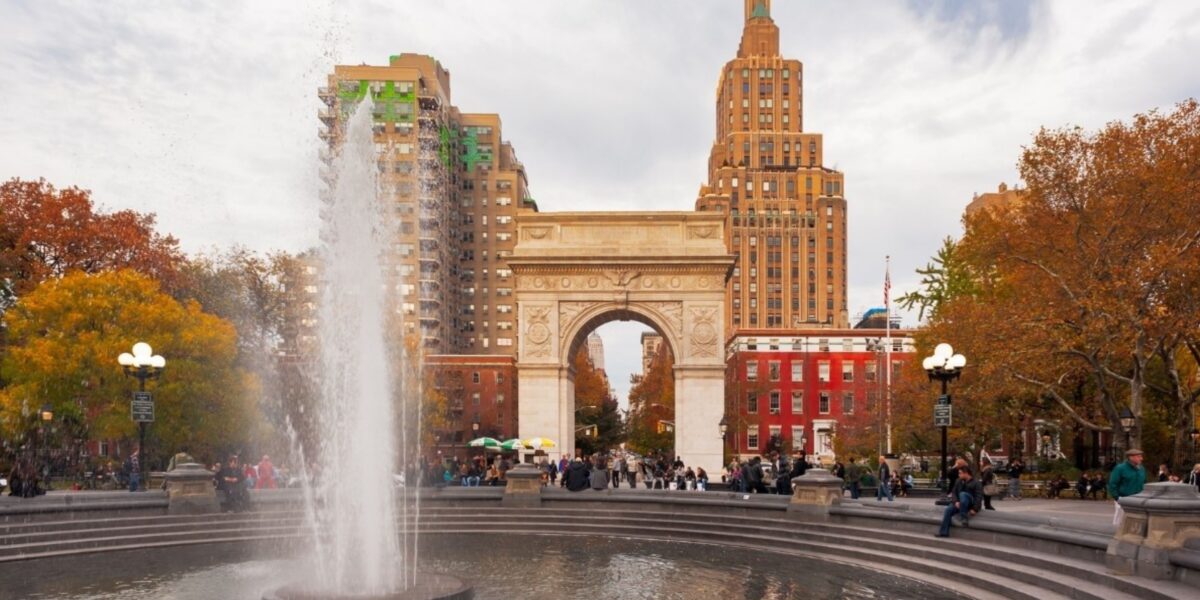
At the center of Greenwich Village sits one of New York City’s most recognizable public spaces: Washington Square Park.

The iconic arch, fountain, street musicians, chess players, and year-round events make the park one of the neighborhood’s defining features.

For residents, it’s more than a landmark—it’s an extension of the neighborhood. Whether you’re enjoying a morning coffee, meeting friends, or simply taking in the atmosphere, Washington Square Park is part of everyday life in the Village.


Dining That Defines Downtown Manhattan

Greenwich Village is home to some of New York City’s most beloved restaurants, bakeries, wine bars, and cafés.

The neighborhood offers everything from cozy neighborhood favorites to acclaimed fine dining, making it one of Manhattan’s premier culinary destinations.

Residents love the ability to walk out their front door and choose from countless options for brunch, dinner, coffee, or a late-night dessert—all within a few blocks.


Real Estate in Greenwich Village

Greenwich Village offers a diverse mix of housing, though one thing remains consistent: demand.

The neighborhood features:

  • Historic brownstones
  • Classic pre-war co-ops
  • Luxury condominiums
  • Boutique loft buildings
  • Full-service residential towers
  • Charming walk-up apartments

Because of the neighborhood’s limited inventory and historic preservation, homes in Greenwich Village often remain highly sought after.

Buyers are drawn not only to the architecture but also to the rarity of owning property in one of Manhattan’s most iconic neighborhoods.


Why Buyers Love Greenwich Village

For many homeowners, Greenwich Village offers the best of both worlds.

You can enjoy the energy of downtown Manhattan while still feeling like you’re part of a close-knit neighborhood.

Some of the biggest reasons buyers choose Greenwich Village include:

  • Historic architecture and timeless charm
  • Walkable streets filled with local businesses
  • Excellent dining and nightlife
  • Easy access to SoHo, Chelsea, Union Square, and the West Village
  • Beautiful parks and public spaces
  • Strong long-term demand for real estate

It’s a neighborhood that appeals to first-time buyers, longtime New Yorkers, empty nesters, and international buyers alike.


Is Greenwich Village Right for You?

Greenwich Village isn’t just a place to live—it’s a lifestyle.

If you value walkability, historic character, exceptional dining, cultural landmarks, and a neighborhood with unmistakable personality, it’s easy to understand why so many people dream of calling the Village home.

While homes here often command premium prices, many buyers see that as an investment in one of New York City’s most enduring and desirable neighborhoods.

Whether you’re searching for a classic brownstone, a charming co-op, or a modern luxury condominium, Greenwich Village offers opportunities that are difficult to find anywhere else in Manhattan.


Thinking About Buying in Greenwich Village?

Every block in Greenwich Village has its own personality, and finding the right home requires more than simply browsing listings online.

At The Garson Team, we help buyers navigate one of Manhattan’s most competitive markets with local expertise, market insight, and a personalized approach. Whether you’re just beginning your search or ready to make a move, we’re here to help you explore what Greenwich Village has to offer.

If you’re considering buying in Greenwich Village—or anywhere in Manhattan—we’d love to help you find a home that fits both your lifestyle and your long-term goals.

Best Manhattan Neighborhoods for Families

For many people, starting or growing a family comes with one big question: Can we stay in Manhattan?

The answer is yes—and thousands of families choose to do exactly that.

While Manhattan is known for its fast pace and iconic skyline, it’s also home to neighborhoods filled with playgrounds, top-rated schools, tree-lined streets, community events, and family-friendly amenities. The right neighborhood depends on your lifestyle, budget, commute, and what matters most to your family.

Here’s a closer look at some of the best Manhattan neighborhoods for families.


Upper West Side

If there’s one neighborhood that’s consistently at the top of the list for families, it’s the Upper West Side.

Bordered by Central Park and Riverside Park, the neighborhood offers an incredible amount of green space, playgrounds, sports fields, and walking paths. Weekend mornings are filled with families heading to soccer practice, children’s museums, and neighborhood cafés.

Families are drawn to the Upper West Side because of:

  • Access to both Central Park and Riverside Park
  • Highly regarded public and private schools
  • Spacious pre-war apartments with family-friendly layouts
  • Strong sense of community
  • Easy access to multiple subway lines

The neighborhood strikes an ideal balance between city living and a residential atmosphere.


Upper East Side

The Upper East Side has evolved into one of Manhattan’s most sought-after neighborhoods for families.

While it’s long been associated with classic New York elegance, today’s Upper East Side offers excellent schools, quieter residential blocks, beautiful parks, and convenient transportation thanks to the Second Avenue Subway.

Families appreciate:

  • Carl Schurz Park along the East River
  • Museum Mile
  • Numerous playgrounds
  • Wide selection of private schools
  • Larger apartments compared to many downtown neighborhoods

Whether you’re looking for a luxury condominium or a classic co-op, the Upper East Side offers options for a wide range of buyers.


Battery Park City

Battery Park City feels surprisingly different from the rest of Manhattan.

Built as a planned waterfront community, the neighborhood features wide sidewalks, abundant green space, bike paths, and some of the city’s most family-oriented residential buildings.

Highlights include:

  • Hudson River waterfront parks
  • Safe, walkable streets
  • Excellent playgrounds
  • Family-focused community programming
  • Modern condominiums with amenities

For buyers seeking a quieter lifestyle while remaining in Manhattan, Battery Park City is often an excellent fit.


Tribeca

Tribeca has become synonymous with luxury family living.

Many growing families move here for its spacious lofts, excellent schools, and relaxed atmosphere. The neighborhood combines historic architecture with modern luxury buildings, creating a unique residential feel.

Families love Tribeca for:

  • Large apartments and loft-style homes
  • Excellent restaurants
  • Washington Market Park
  • Highly regarded schools
  • Quiet streets despite its downtown location

It’s also one of Manhattan’s most popular neighborhoods among entrepreneurs, creatives, and business leaders raising children in the city.


Lincoln Square

Located just south of the Upper West Side, Lincoln Square offers many of the same family-friendly benefits with its own distinct personality.

The neighborhood is anchored by Lincoln Center while providing quick access to Central Park and Columbus Circle.

Why families choose Lincoln Square:

  • Cultural attractions
  • Convenient transportation
  • Parks and playgrounds
  • Luxury residential buildings
  • Excellent dining options

It’s especially appealing for families who enjoy having world-class arts and entertainment just steps from home.


Carnegie Hill

For buyers seeking a quieter residential experience, Carnegie Hill is often overlooked—but shouldn’t be.

This section of the Upper East Side offers beautiful architecture, tree-lined streets, and a slower pace than many other Manhattan neighborhoods.

Families enjoy:

  • Proximity to Central Park
  • Historic brownstones
  • Excellent schools
  • Family-oriented community feel
  • Easy access to museums

Many consider Carnegie Hill one of Manhattan’s hidden gems for raising children.


Chelsea

Chelsea has become increasingly popular with young families over the last decade.

Between Hudson River Park, Little Island, Chelsea Piers, and numerous playgrounds, there’s no shortage of outdoor activities.

Chelsea offers:

  • Waterfront recreation
  • Modern luxury condominiums
  • Strong restaurant scene
  • Easy access to downtown
  • Excellent transportation

It’s a great fit for families looking for a more contemporary Manhattan lifestyle.


What Families Should Consider Beyond the Neighborhood

Choosing the right neighborhood isn’t only about location. It’s also important to think about how your daily life will function.

Some questions to ask include:

School Options

Research both public and private schools, along with zoning requirements if public education is part of your decision.

Outdoor Space

Having nearby parks, playgrounds, waterfront paths, or recreational facilities can dramatically improve day-to-day family life.

Commute

Consider travel times to work, school, and activities—not just during ideal conditions, but during a typical weekday.

Apartment Layout

As families grow, functionality often becomes more important than square footage. Look for layouts that offer flexibility, storage, and separation of living spaces.

Building Amenities

Many Manhattan buildings now include features that make everyday life easier, including:

  • Children’s playrooms
  • Fitness centers
  • Outdoor terraces
  • Package rooms
  • Bicycle storage
  • Resident lounges

These amenities can significantly improve convenience for busy families.


Which Manhattan Neighborhood Is Right for You?

Every family has different priorities.

Some buyers want to be steps from Central Park. Others prioritize waterfront access, top-rated schools, larger apartments, or shorter commutes. Fortunately, Manhattan offers neighborhoods that fit a wide variety of lifestyles.

The best neighborhood isn’t simply the most popular—it’s the one that aligns with how your family wants to live today and in the years ahead.

At The Garson Team, we help families navigate every stage of buying and selling in Manhattan. Whether you’re relocating, upsizing, or simply exploring your options, we’re here to help you find the neighborhood that feels like home.

Thinking about making a move? We’d love to help you explore which Manhattan neighborhood is the right fit for your family’s next chapter.

Take It Personal. That’s the Whole Job.

Take It Personal. That’s the Whole Job.

Most real estate coaches will tell you not to take things personally. Don’t get attached. Don’t let the rejections sting. Don’t ride the emotional roller coaster. It is just business.

I think that advice is wrong. Or at least, it is the kind of advice that quietly makes agents worse at their jobs.

Real estate is personal. It is one of the most personal businesses there is. We are not selling laptops or insurance policies. We are walking into people’s homes. We are sitting at their kitchen tables. We are learning what their kids are like, what their finances look like, what they are afraid of, and what they are hoping for. The minute you pretend that work is transactional, you lose the actual thing that makes anyone want to hire you in the first place.

David Grutman built one of the most powerful hospitality groups in the world on this exact idea. His book is literally called Take It Personal, and his thesis is simple. The relationships are the business. The details are the product. The long game is the only game worth playing. Connecting people is real wealth.

Reading it, I kept thinking, “this is real estate.” Switch the words restaurant and venue for listing and closing, and the playbook is identical.

I learned this before I ever sold an apartment.

In college, I was a club promoter. My job was to bring people together. Get the right crowd in the room. Make the energy work. Make sure people felt seen the moment they walked in. Connect the right people to each other so the night turned into something they would remember.

That is the same job I do now. Different room. Different stakes. Same skill.

When I started in real estate, I did not have a database or a sphere of influence the way most agents talk about it. What I had was a habit of meeting people. At dinner parties. On the playground. At a friend’s birthday. At a school pickup. I was not networking the way the industry teaches networking, which usually feels forced and gross. I was just being a person who shows up, talks to people, and stays in touch.

That instinct, the one I built as a 21-year-old promoter, is the same instinct that turned into a real estate business.

Real estate is a relationship economy. Full stop.

Here is the part most new agents miss. This is a 100 percent commission, referral-based business. Nobody is paying you to show up. Nobody is going to put you on the schedule. You eat what you bring in.

And almost nobody is buying or selling every day. The average New Yorker moves once every seven to ten years. So if your business model relies on the person you are talking to having an immediate need, you are going to starve.

The only thing that works long-term is the network. The web of people who know you, trust you, and think of you when they finally need an agent or when their friend asks for a name. Mortgage brokers. Real estate attorneys. Agents in other cities who send relocators your way. Old clients who moved to LA five years ago and are now buying a second home in NYC. The kid you met at a friend’s barbecue who is going to buy his first apartment in three years.

That is the ecosystem. And the only way you build it is by being present, going to things, showing up consistently, and treating every person like the relationship matters, even when there is no deal in sight.

The details are the product.

Real estate is a service business pretending to be a product business. The apartment is the product on paper. The actual product is the experience.

How fast you respond. How clearly you communicate. How prepared you are walking into a showing. How thoughtful your follow-up is after a tour. The way the listing photos look. The way the email reads. The way you handle the moment when the inspection surfaces a problem. The way you show up in someone’s home and respect their space.

Almost every complaint clients have about agents comes down to one of two things. Bad communication or bad attention to detail. That is it. The agents who survive long-term are the ones who treat every small interaction like it matters. Because it does. The client is not grading you on the closing. They are grading you on every moment leading up to it.

The Grutman version of this is “the details are everything.” The real estate version is the same. You are not selling a property. You are delivering an experience that people will remember and talk about for years.

My job is to be the connector.

The thing I have figured out about how I work best is that I am not a closer in the traditional sense. I am a connector. I am the person in the room who knows the right attorney, the right contractor, the right mortgage broker, the right designer, the right neighbor in the building they are about to bid on.

I host. I introduce. I make sure the right people meet each other. I build environments where relationships form naturally, whether that is a content piece, an event, a coffee, or a dinner.

That is also the move Grutman writes about as the secret weapon of his career. Connecting people is wealth. Not metaphorical wealth. Real wealth. Because the people you connect remember you forever, and the relationships compound.

The takeaway.

Taking it personal is not a weakness in real estate. It is the entire competitive advantage.

The agents who try to stay detached look professional on paper, but they lose. They lose to the agents who actually care, who actually show up, who actually treat every client like the relationship matters beyond the closing table. Because in the long run, that is the only thing that builds a real business.

Caring more is the strategy.

Take it personal. It is the whole job.

What Happens If NYC Doormen Go on Strike in 2026? Here’s What Residents Need to Know

What Happens If NYC Doormen Go on Strike in 2026? Here’s What Residents Need to Know

Suggested Meta Description: NYC doormen and building workers could strike as early as April 21, 2026. Here’s what residents of co-ops and condos need to know about security, packages, moves, trash, and how to prepare.

Suggested URL Slug: nyc-doormen-strike-2026-what-to-know

Target Keywords: NYC doorman strike 2026, NYC building workers strike, 32BJ strike, doorman strike April 2026, NYC doorman contract, what happens during a doorman strike


If you live in a full-service building in New York City, this is something you should be paying attention to right now.

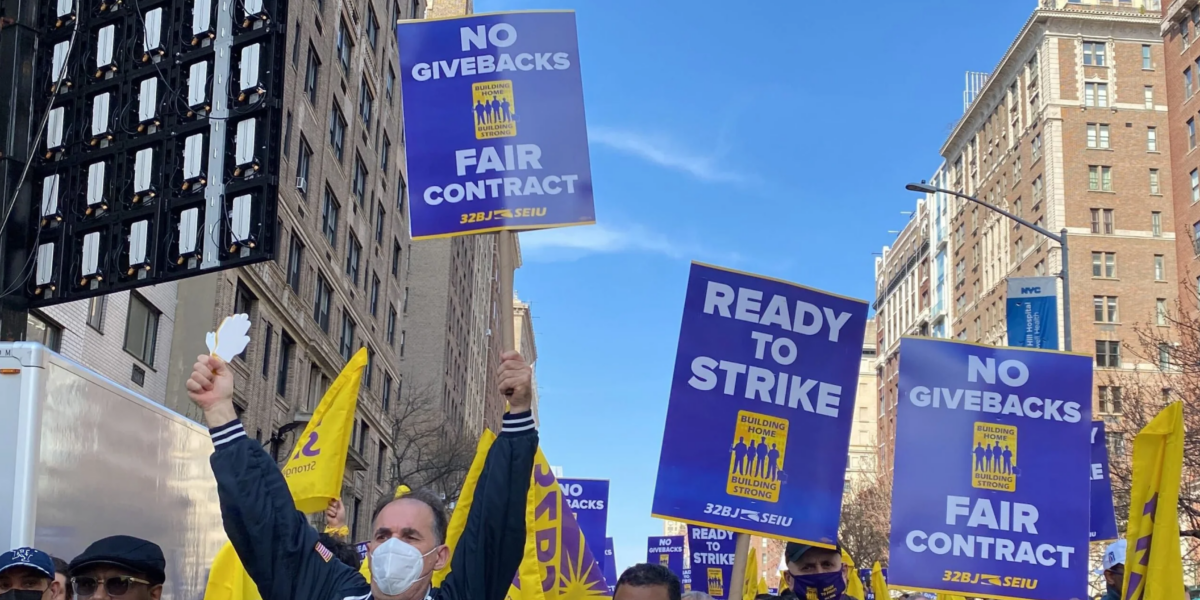
Nearly 34,000 doormen, porters, concierges, and building maintenance workers could walk off the job as early as April 21, 2026 if a new labor contract isn’t reached. The union representing these workers, 32BJ SEIU, has already scheduled a strike vote for April 15. And while a strike of this scale hasn’t happened since 1991, the negotiations this time around are serious enough that buildings across the city are already sending notices to residents.

A strike would affect roughly 3,500 residential buildings and an estimated 600,000 households across Manhattan, Brooklyn, Queens, and Staten Island.

So what does this actually mean for you? Let’s break it down.

Why Are NYC Doormen and Building Workers Threatening to Strike?

The current four-year contract between 32BJ SEIU and the Realty Advisory Board (RAB), which represents building owners, expires on April 20, 2026. If the two sides don’t reach a deal before that date, workers could walk out the following day.

The union has called the RAB’s latest proposal “insulting.” According to 32BJ, the RAB’s offer includes shifting health care costs onto workers through premium sharing, creating a lower-paid Tier II classification for future hires, expanding the use of temporary staff, weakening contract enforcement, and offering no commitment to pension improvements.

The union’s position is clear. These workers kept buildings running through snowstorms, a global pandemic, and daily security concerns. They see fully employer-paid health care as non-negotiable.

On the other side, building owners point to rising insurance costs, utility expenses, and capital project budgets as reasons to seek cost-sharing.

Does Your Building Shut Down During a Doorman Strike?

No. Your building does not shut down.

Your superintendent and resident manager are covered under a separate agreement and will continue working. That means there is still oversight in the building, and emergencies can still be handled.

But day-to-day operations will look very different without the rest of the staff in place.

What Happens to Building Security Without a Doorman?

This is the change most people will feel immediately.

No one at the front desk. No one opening the door. No one screening visitors.

Most buildings plan to bring in temporary security guards, but these guards won’t know residents the way your regular doorman does. That means stricter access rules across the board.

Expect to show a building-issued ID or badge just to enter your own building. Some buildings are preparing QR code systems for resident verification. Guests, dog walkers, housekeepers, and childcare providers will all need to follow new access procedures. In many cases, you’ll need to physically meet visitors in the lobby.

It’s a very different experience from what most people in full-service buildings are used to.

How Will a Doorman Strike Affect Package Deliveries?

If you’re used to packages arriving neatly at your door, that’s going away temporarily.

Deliveries will be held in the lobby. No one is bringing them upstairs. That means you’ll need to be home (or at least available to come downstairs) to collect food deliveries, groceries, and packages.

Without staff managing the flow, things could get disorganized quickly. Packages may pile up in common areas, and smaller items could be harder to track.

If you rely on mail-delivered medications or time-sensitive shipments, plan ahead.

Will Moves, Renovations, and Apartment Showings Be Paused?

Yes. Most buildings will suspend move-ins, move-outs, and non-essential work during a strike.

Without staff to manage elevators, protect common areas, or coordinate logistics, buildings simply can’t support these operations safely. Open houses and apartment showings will also be halted in most affected buildings.

If you’re planning a move, a renovation, or even a large furniture delivery, timing matters here. Talk to your building management now about contingency plans.

What Happens to Trash and Building Maintenance?

This is one of the more overlooked parts, but it creates a real lifestyle shift.

Without porters, trash systems may change significantly. In some buildings, trash chutes or compactors could be closed. Residents may need to bring garbage to designated collection areas or help bring it outside on pickup days.

Common areas won’t be cleaned the same way. Recycling operations could also be disrupted.

If you look back at the 1991 strike (which lasted 12 days), one of the biggest visible impacts was trash piling up in and around buildings. City sanitation workers refused to cross picket lines, which made the situation even more challenging.

Will Residents Be Asked to Volunteer?

Possibly, yes.

Many buildings are already organizing volunteer systems in preparation. This could include residents helping with basic operations like sitting at the front desk during shifts, organizing packages in the lobby, or assisting with trash management.

These aren’t full-time commitments. But they help keep things running.

In larger, full-service buildings, the impact will be greater. There’s more staff missing, more services disrupted, and more reliance on residents stepping up. In smaller buildings, the adjustment may be less intense, but there will still be a noticeable change.

How Long Would a NYC Doorman Strike Last?

That’s hard to predict, but history offers some context.

The last major building workers strike in 1991 lasted 12 days. In 2022, a similar contract standoff went down to the final hours before a deal was reached at the last minute, avoiding a walkout entirely.

There’s still a chance this gets resolved before April 21. Historically, that’s often what happens. But buildings are preparing because the possibility is real, and the gap between the two sides remains significant.

What Should NYC Residents Do Right Now to Prepare?

You don’t need to panic. But you should take a few practical steps.

If your building is issuing ID cards, badges, or QR codes, get yours set up early. Talk to your building management about their specific contingency plan. If you’re planning a move, renovation, or large delivery, consider adjusting your timeline. Make arrangements with dog walkers, housekeepers, and childcare providers so they can access the building. Mentally prepare for a temporary shift in how your building operates.

Stay connected with your building management team. They’ll be your best source of real-time updates if anything changes in the coming weeks.

Final Thought

Whether or not this strike actually happens, it raises an important point. The people who keep our buildings running every day (the doormen, porters, concierges, and maintenance workers) do far more than most residents realize. You notice them most when they’re not there.

If your building needed help for a week or two, would you step in? Would you take a lobby shift or help organize packages?

I’m curious where people land on that question.


Frequently Asked Questions About the 2026 NYC Doorman Strike

When could the NYC doorman strike start? The current contract between 32BJ SEIU and the Realty Advisory Board expires on April 20, 2026. If no deal is reached, a strike could begin as early as April 21. A union-wide strike vote is scheduled for April 15.

How many buildings would be affected by a NYC doorman strike? Approximately 3,500 residential buildings across Manhattan, Brooklyn, Queens, and Staten Island would be affected, impacting an estimated 600,000 households.

Will my super still work during a doorman strike? Yes. Superintendents and resident managers are covered under a separate contract and will continue working during a strike.

Can I still receive packages during a doorman strike? Packages will likely still be delivered to the building, but no staff will bring them to your door. You’ll need to collect them from the lobby yourself.

Will I be able to move during a doorman strike? Most buildings will suspend move-ins and move-outs during a strike due to the lack of staff to manage elevators and common areas.

What is 32BJ SEIU? 32BJ SEIU is the union representing nearly 34,000 residential building service workers in New York City, including doormen, porters, concierges, handypersons, superintendents, and resident managers.

When was the last NYC doorman strike? The last major building workers strike in New York City occurred in 1991 and lasted 12 days.

Waldorf Astoria New York Reimagined: A Legendary Address Enters a New Era

What if I told you one of the most legendary addresses in New York — a place that’s hosted presidents, celebrities, royalty, and moments that shaped world history — is entering a completely new chapter?

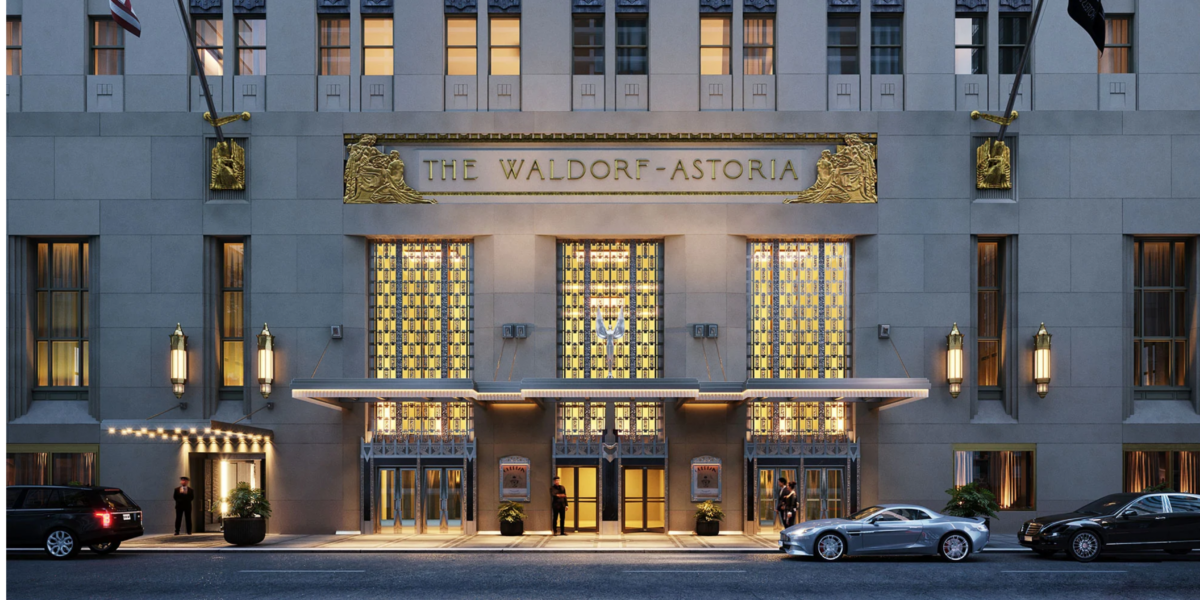
After eight years of meticulous redevelopment, the Waldorf Astoria on Park Avenue is officially back. And not just reopened — reimagined.

Originally home to more than 1,400 hotel rooms, this iconic Art Deco landmark has been transformed into a mixed-use masterpiece featuring 375 luxury hotel rooms and 372 private residences. The historic grandeur remains intact. But now it’s paired with modern comfort in a way that feels intentional, elevated, and built for today’s ultra-luxury buyer.

Where Art Deco Meets Modern Living

Step inside the residences and you immediately feel the balance.

Classic Art Deco heritage has been carefully preserved — the scale, the symmetry, the drama — but it’s now layered with contemporary sophistication. The design isn’t flashy. It’s refined.

Expect:

  • Custom millwork and cabinetry
  • Gaggenau kitchens
  • Heated marble bathrooms
  • Soaring ceilings
  • Light-filled interiors
  • Skyline views that remind you exactly where you are — Manhattan

It feels timeless. Because it is.

More Than an Apartment — A Private Club Experience

Living at the Waldorf Astoria isn’t just about the residence itself. It’s about access.

Owners enjoy more than 50,000 square feet of private residential amenities, including:

  • A 25-meter Starlight indoor pool
  • Full fitness and wellness facilities
  • The Grand Salon
  • A private theater
  • The Monaco Bar
  • The Empire Club for coworking and private offices

And importantly, residents have separate, private entrances and 24-hour concierge service, fully distinct from hotel guests. That separation preserves privacy while still allowing access to the legendary service the Waldorf name is known for.

It’s iconic — but it’s also functional luxury.

Pricing and Positioning

Residences currently start at approximately:

  • $2.7M for a one-bedroom — ideal for pied-à-terre buyers
  • $9M for three-bedrooms
  • $15M for four-bedrooms

In a city where new development comes and goes, this is different.

These aren’t simply luxury apartments. They’re trophy assets. They’re a piece of New York history that has been carefully restored and repositioned for the modern ultra-luxury market.

Why This Matters

Manhattan has no shortage of high-end buildings. But there are only a handful of addresses that are globally recognized. Addresses that carry instant prestige. Addresses that feel permanent.

The Waldorf Astoria isn’t just back.

For the first time, you can actually own part of it.

And opportunities like that don’t come around often.