

New York City’s Three Casino Licenses: What the Approvals Mean for Real Estate (2025 Expert Analysis)
New York City is officially on track to get three new full-scale casinos, and the real estate implications are enormous — especially for Queens and the Bronx.
On Monday, the Gaming Facility Location Board recommended that the state Gaming Commission award licenses to:
- Steve Cohen’s $8B Metropolitan Park at Citi Field (Queens)
- Bally’s $4B resort at Ferry Point (Bronx)
- Genting’s $7.5B Resorts World expansion at Aqueduct (Queens)
Final approval is expected by December 31, with construction beginning as early as Q1 2026.
For developers, investors, and anyone watching NYC’s outer-borough markets, this moment is bigger than gaming licenses. It represents nearly $20 billion in private capital pouring into neighborhoods that have spent decades waiting for major investment.
The question isn’t if these casinos will reshape real estate.
It’s where the opportunities will land, which neighborhoods see the fastest appreciation, and what risks need to be priced in now — before the market fully adjusts.
The Projects: What’s Actually Being Built, and When
Metropolitan Park (Queens) — The Transformational One
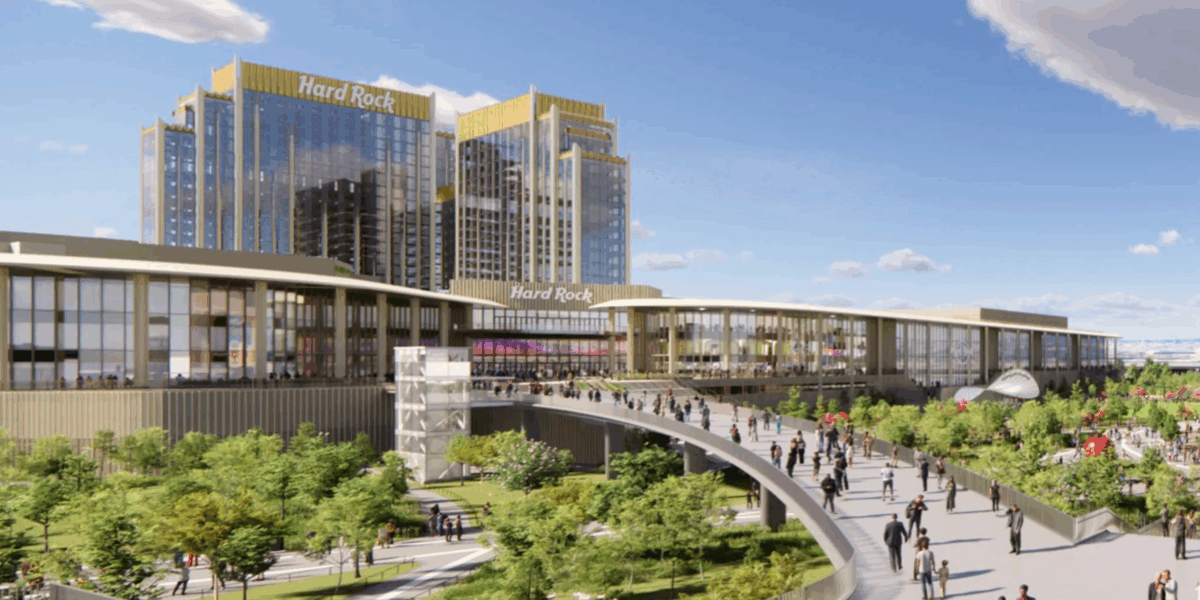
Cohen’s plan with Hard Rock is essentially to rebuild the entire Citi Field/Willets Point district:
- 1,200-room Hard Rock hotel
- 5,650-seat music venue
- Restaurants + shopping
- 25 acres of park space
- A completely rebuilt Mets–Willets Point subway/LIRR station
- $1B in transit commitments
- $1.5B in community benefits
Cohen has also partnered with Slate to build 450 affordable units in Corona (2 miles away).
Timeline:
Construction starts January 2026, opening 2030
License: 20 years
Scale: The most transformational project for Queens real estate — period.
Resorts World Expansion (Queens) — The Fastest to Market
Genting is adding:
- 6,000 slots & 800 table games
- 2,000 hotels rooms
- 7,000-seat arena
- 30+ new restaurants
- Upgraded A-train transit access
- $2B in community benefits
- A commitment to support 50,000 workforce housing units citywide with Cirrus Real Estate
Timeline:
Could break ground within 90 days of approval, fully operational by 2028
License: 20 years
Revenue Dispute: Consultants project far less revenue than Genting claims — a key variable for investors.
Bally’s Bronx at Ferry Point — The Local Catalyst
The smallest in scale, but potentially the most neighborhood-shaping:
- 500-room hotel
- 2,000-seat entertainment venue
- 3,500 slots + 250 table games
- Community retail marketplace
- Heavy Bronx-specific reinvestment
Timeline:
Opens 2029
License: 15 years
Bronx neighborhoods haven’t seen a private investment of this size in decades.
State Consultants Aren’t Buying the Revenue Hype
This matters.
New York’s consultants gave much more conservative revenue estimates than the casino operators.
The three casinos are projected to generate:
- $7B in gaming tax revenue (2027–2036)
- $5.9B in other state/local taxes
That’s real money — but far below operator projections.
Why this matters for real estate:
- Transit upgrades depend on revenue
- Affordable housing commitments depend on revenue
- Community benefits packages depend on revenue
If the casinos underperform by even 20–30%, timelines for neighborhood improvements get pushed back, which directly impacts property valuations.
Regulatory Scrutiny: We’re Not Across the Finish Line Yet
The Gaming Commission still needs to finalize licenses. Chair Brian O’Dwyer emphasized the state can award fewer than three licenses if applicants fall short.
Character and fitness reviews are still underway — relevant for:
- Steve Cohen’s long history of regulatory scrutiny
- Resorts World’s recent $10.5M settlement over federal compliance issues
December 31 is the deadline to watch. Any slip delays the entire construction calendar — and delays appreciation windows for investors.
Residential Real Estate: Where Prices Go Next
The casinos will create more than 50,000 jobs, raise incomes in historically overlooked areas, and drive major infrastructure improvements.
But the impacts will vary neighborhood by neighborhood.
Willets Point & Corona — The Biggest Winners
Expect 15–20% appreciation within five years for homes and small buildings within walking distance of the rebuilt Mets–Willets Point station.
Drivers of growth:
- A full mixed-use entertainment district
- A rebuilt transit hub
- A massive jobs influx
- New park space
- The Willets Point Phase 2 housing pipeline
Risk: displacement pressures for rent-burdened tenants along the 7 train.
For investors: this is the highest-upside zone in NYC over the next decade.
Ozone Park — Steady, Durable Gains
Resorts World’s expansion turns the Aqueduct corridor into a legitimate entertainment district.
Expect 10–15% appreciation for:
- Multifamily near the A train
- Rent-stabilized buildings within 1 mile
- Small mixed-use along Rockaway Blvd
Risks:
Proximity to JFK brings noise and congestion — properties closest to the airport see capped upside.
Throggs Neck — Bronx Upside Without the Frenzy
Bally’s brings jobs, services, and revenue to a part of NYC that rarely sees mega-investment.
Expect 8–12% appreciation, outperforming Bronx averages but not exploding the way Queens likely will.
Key dynamic:
Homes a few blocks away from the site benefit most.
Homes adjacent to the site may face “party next door” concerns.
Commercial Real Estate: Retail, Mixed-Use & Development
The casinos collectively introduce 70,000–350,000 sq ft of new retail, reshaping corridors in Queens and the Bronx.
Expect:
- +15% retail rent growth in casino-adjacent corridors
- Strong demand near the 7 train and A train
- A surge of mixed-use development near Willets Point
- Industrial-to-flex or industrial-to-office conversions in Queens
Biggest risk for small business:
On-site dining and entertainment will capture a large share of visitor spending. Local businesses need to differentiate to avoid 10–20% competitive pressure.
Transit Improvements: The Real Catalyst for Property Values
Transit upgrades will matter more than the casinos themselves for long-term real estate value.
Metropolitan Park Transit Upgrades — A Generational Shift
- Rebuilt Mets–Willets Point station
- New LIRR access
- New station entrances
- Significantly improved pedestrian flows
This repositions the entire 7 train corridor — from LIC to Flushing.
Resorts World — Aqueduct A/C Enhancements
License fees and ongoing contributions funnel money directly to MTA operations and improvements.
Bally’s Bronx — Bus, Ferry, and Shuttle Network
- $75M toward buses
- Potential NYC Ferry expansion
- Shuttles to LaGuardia and the subway
For investors, the strategy is simple:
Buy within a 10-minute walk of transit improvements, not within a 2-minute walk of the casino entrance.
Manhattan: Not Getting a Casino, But Still Benefiting
Although all Manhattan casino proposals were rejected, Manhattan will still feel the effects.
Visitor spillover:
NYC could see 10–15M additional visitors per year.
Many will stay in Manhattan hotels.
Expect:
- +5–8% increase in hotel occupancy
- $500M+ in secondary spending
- Strengthening demand in Midtown and Midtown South rental markets
Commuter patterns:
Better transit in the outer boroughs reduces pressure on Manhattan congestion.
Price impact:
Manhattan won’t see a surge, but expect:
- 3–5% rent stability/growth
- 5% value increases in properties tied to outer-borough transit corridors
Where the Smart Money Should Go (Q4 2025–Q1 2026)
Best Value Plays
- Ozone Park multifamily near the A train
- Corona small buildings with strong rent upside
- Throggs Neck single-family homes
Premium Growth
- Willets Point development sites
- Mixed-use along the 7 train corridor
- Ground-floor retail near improved stations
Avoid
- Properties immediately adjacent to casino sites
- Auto-dependent locations lacking transit upgrades
- Rent-sensitive zones without factoring in regulation and displacement risk
Key investor takeaway:
Appreciation is driven by transit, jobs, and neighborhood repositioning — not slot machines.
Timing: The Clock Is Already Ticking
- Sellers: peak pre-opening values likely arrive 2027–2028
- Buyers: the pricing advantage exists right now, before the December 31 license approval
- Developers: assemble sites before the 7 train and A train corridors re-rate in value
Once approvals hit, the market will price in the changes.
Those positioned early — not those reacting late — will capture the upside.
Thinking About Buying or Investing in Queens or the Bronx?
These casino approvals are the most important outer-borough real estate catalyst in a generation.
If you’re evaluating opportunities in Queens or the Bronx — or want a custom breakdown of how these projects impact your neighborhood — reach out to Ryan Garson and the Garson Team for a data-driven consultation.
FAQs
How much will Queens and Bronx property values increase because of the casinos?
Most neighborhoods near Willets Point, Aqueduct, and Ferry Point should see 8–20% appreciation over the next five years, with the strongest growth in Corona, Willets Point, and transit-adjacent parts of Ozone Park.
Will the casinos cause displacement?
Yes, displacement pressure will grow in Corona and parts of Flushing. Investors should factor in future regulations; tenants should prepare for rising rents near the 7 train.
Are the revenue projections reliable?
The state’s consultants projected far less revenue than operators claimed. If revenue underperforms, transit and housing commitments may slow — which impacts appreciation timelines.
How will the casinos affect Manhattan real estate?
Indirectly. Expect stronger hotel demand, stabilized rents, and modest value increases in neighborhoods with strong transit connections to Queens and the Bronx.
Is now a good time to buy near the casino sites?
Yes — pre-construction is the best entry point. Once final approval hits December 31, prices begin adjusting quickly.