

From Trading Floors to Urban Homes: 40 Exchange Place’s Big Transformation
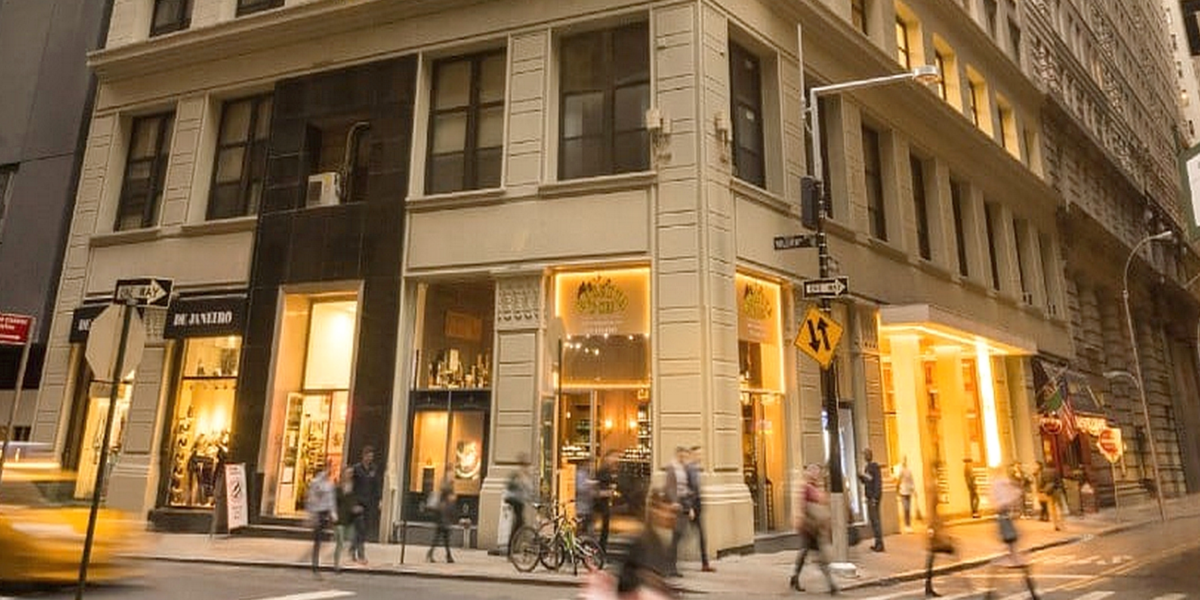
In a sign of the shifting tides in New York’s real estate landscape, Manhattan’s Financial District — long dominated by office towers and trading floors — is welcoming a new chapter of urban living. A historic commercial property at 40 Exchange Place is being transformed into a vibrant residential community, symbolizing both the evolution of downtown Manhattan and the city’s response to changing workspace demand and housing needs.
A Storied Building, Reimagined
Standing 20 stories tall at the corner of Exchange Place and William Street, 40 Exchange Place has been a staple of Lower Manhattan since its completion in 1893. Designed in the Classical Revival style, the building once housed the early New York Stock Exchange before serving as leased office space for decades.
Now, under the vision of GFP Real Estate, the 300,000-square-foot structure is poised for an ambitious office-to-residential conversion that will yield 382 rental apartments. The project also includes new ground-floor retail space, helping activate street life in one of the city’s most historic districts.
Funding and Incentives Power the Project
Key to moving the project forward has been financing and incentive programs that make adaptive reuse more feasible. In early 2026, GFP secured nearly $192 million in construction financing from Derby Lane Partners, arranged by Newmark, to support this conversion.
The developer is also drawing on federal and state Historic Rehabilitation Tax Credits as well as New York City’s 467-m tax abatement program, which offers long-term tax relief in exchange for dedicating a share of the units to affordable housing.
A portion of the residences will be offered at below-market rents, contributing to the city’s efforts to expand housing options amid ongoing affordability challenges.
What This Means for FiDi and NYC’s Urban Fabric
The 40 Exchange Place project isn’t happening in isolation — it’s part of a broader trend reshaping downtown Manhattan. Declining demand for office space since the pandemic has left many buildings underutilized. Developers and city policymakers have increasingly embraced adaptive reuse as a strategy to convert surplus office stock into much-needed housing.
In the Financial District alone, several major conversions have either been completed or are underway, including:
- 160 Water Street’s Pearl House, a large office-to-residential conversion delivering hundreds of units.
- 55 Broad Street, another former office that now offers over 500 apartments and a suite of amenities.
These projects are breathing new life into a neighborhood once defined by 9-to-5 workdays, bringing more residents — and therefore more activity — to an area traditionally quiet after business hours.
A Neighborhood in Transition
As places like 40 Exchange Place evolve, the Financial District is balancing its rich history with modern urban needs. The infusion of new housing stock complements cultural institutions, historic architecture, world-class transit access, and growing retail and dining amenities. It’s part of a broader reinvention that’s transforming downtown Manhattan into a more 24/7 live-work-play district.
For longtime New Yorkers and newcomers alike, this project reflects a dynamic — sometimes tumultuous — real estate market that’s adapting to post-pandemic realities. Through smart conversions and thoughtful design, buildings like 40 Exchange Place are finding second lives that honor their past while catering to the future of urban living.