

Canal Street NYC Crime Problem: How the Community Can Stop Counterfeit Sales and Scams (2025 Guide)
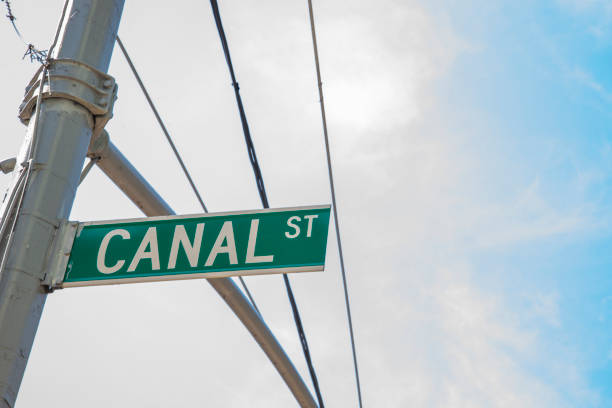
Manhattan’s Canal Street has long been famous for its bustling shops and unbeatable deals—but beneath the surface lies a growing crisis of counterfeit goods, scams, and ineffective enforcement. Despite years of NYPD crackdowns, the problem persists. Now, community leaders, residents, and businesses are demanding real change. Here’s what’s happening—and how it can be fixed.
The Real Problem: More Than Just Fake Handbags
Walk down Canal Street on any given afternoon, and you’ll see a familiar scene: vendors displaying designer-inspired handbags, watches, and jewelry for a fraction of their real prices. Tourists are drawn in by the promise of a bargain, but behind the façade lies a network of counterfeit operations that reach far beyond Lower Manhattan.
When police arrive, vendors scatter into nearby side streets—only to return minutes later. Despite arrests and patrols, the issue has spread from Canal Street to neighboring SoHo, Chinatown, and Tribeca. For local businesses, the impact is devastating. Legitimate retailers lose customers, while residents face congestion, harassment, and declining neighborhood safety.
Why Enforcement Keeps Falling Short
Even with NYPD involvement, counterfeit sales have proven resilient. Several factors explain why enforcement alone hasn’t worked.
1. Disbanded Units and Lack of Focus
Specialized NYPD task forces once targeted counterfeit sales and vendor scams directly. Those units were disbanded, leaving enforcement fragmented and inconsistent. Without dedicated officers or clear leadership, long-term progress has stalled.
2. Legal Gray Areas in Street Vending Laws
Recent decriminalization of unlicensed vending created confusion between legitimate small vendors and those selling counterfeit goods. While the intent was to protect immigrant entrepreneurs, these changes also gave cover to illegal operations exploiting loopholes in city law.
3. The “Whack-a-Mole” Cycle
Crackdowns provide short-term relief—but only temporarily. Sellers vanish when police arrive, then quickly reappear once enforcement eases. This repetitive cycle erodes trust between residents, law enforcement, and local leadership.
As one community advocate put it, “What’s missing isn’t effort—it’s political will from above.” Without sustained direction from city and state officials, lasting change won’t take root.
What the Canal Street Community Is Demanding
The local response has been strong and organized. The SoHo Broadway Initiative, Manhattan Community Board 2, and local business owners have met repeatedly with NYPD officials and city agencies to push for action. Their recommendations are both practical and urgent.
1. Re-establish Specialized NYPD Units
Dedicated teams should focus exclusively on counterfeit and vendor fraud operations, equipped with the authority and resources to intervene consistently—not sporadically.
2. Coordinate Across Federal and City Agencies
Counterfeit goods aren’t just a local issue—they often tie into international trafficking networks. Collaboration between the NYPD, FBI, and federal trade investigators can target supply chains, not just street-level sellers.
3. Strengthen Legislation
City and state lawmakers can help close enforcement gaps by tightening vendor permit regulations and clarifying penalties for counterfeit sales. Stronger statutes would allow police and prosecutors to act decisively.
4. Build Sustainable, Not Temporary, Solutions
Residents are calling for accountability, transparency, and a long-term plan. That means consistent enforcement, measurable results, and city funding that supports local businesses affected by illegal vending.
A Bigger Picture: Fraud Beyond Canal Street
The issues on Canal Street mirror a larger trend—fraud is growing across many industries, especially in real estate and online transactions.
According to the FBI’s Internet Crime Report, over 9,500 real estate fraud complaints were filed nationwide in 2023, totaling more than $145 million in losses. From fake rental listings to wire fraud, scams have become more sophisticated, often targeting those unfamiliar with NYC’s fast-paced market.
Whether it’s counterfeit handbags or fraudulent listings, the same principle applies: if it seems too good to be true, it probably is.
How to Protect Yourself from Counterfeit and Fraudulent Activity
While systemic solutions are underway, individuals can take steps to protect themselves.
 If You’re Shopping or Visiting Canal Street
- Be cautious of deep discounts on “luxury” goods—authentic items are never sold that cheaply.
- Avoid aggressive street vendors or anyone pressuring you to buy quickly.
- Report suspicious activity to the NYPD 1st Precinct or NYC311.
 If You’re Engaging in Real Estate or Financial Transactions
- Verify any agent’s license using the New York State Licensing Database.
- Confirm property ownership through NYC Department of Finance ACRIS records.
- Conduct reverse image searches to detect fake property listings.
- Always view properties in person before signing agreements.
- Use secure, traceable payment methods and avoid wire transfers to unfamiliar parties.
Staying informed and skeptical is the first line of defense.
The Path Forward: Real Change Requires Real Commitment
Community members, the NYPD, the District Attorney’s office, and city agencies continue to meet to develop a sustainable roadmap for Canal Street’s recovery. The tone of those meetings has shifted from frustration to determination—residents want solutions that last, not temporary fixes.
To achieve lasting change, four pillars must align:
- Federal partnership to disrupt counterfeit supply networks
- Legislative clarity to close legal loopholes
- Restored NYPD specialization for continuous enforcement
- Political accountability to sustain progress
Canal Street’s counterfeit economy didn’t emerge overnight—and it won’t disappear overnight. But with community pressure, strong leadership, and interagency cooperation, it can be transformed into a safer, more vibrant commercial corridor once again.
The community has spoken: half-measures are no longer enough.
FAQs: Canal Street Crime and Counterfeit Sales in NYC
Q: Is Canal Street still known for counterfeit goods?
A: Yes. Despite years of enforcement, Canal Street remains a hotspot for counterfeit sales and vendor scams, affecting nearby SoHo and Chinatown.
Q: What is NYC doing to stop counterfeit sales on Canal Street?
A: Local boards, the NYPD, and city agencies are advocating for specialized task forces, stronger legislation, and coordination with federal authorities.
Q: Are street vendors on Canal Street legal?
A: Some vendors are licensed and legitimate, but many operate illegally by selling counterfeit products without permits.
Q: How can I report counterfeit or illegal vending in NYC?
A: Call 311 or contact the NYPD 1st Precinct directly to report illegal activity.
Q: What neighborhoods are affected by Canal Street’s counterfeit problem?
A: The issue extends into SoHo, Chinatown, and parts of Tribeca—impacting residents, shoppers, and local businesses alike.