

The Future of Fifth Avenue: How NYC Is Turning Its Most Famous Street Into a World-Class Pedestrian Promenade
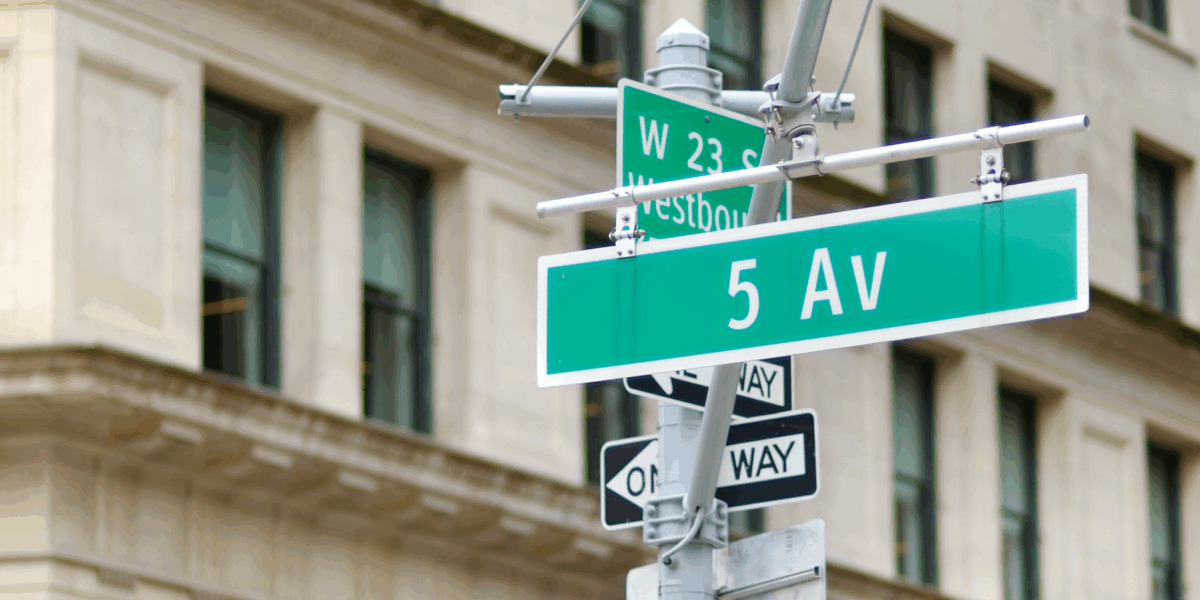
New York City has always been about evolution. From the grid system that organized Manhattan in the 1800s to the High Line’s reinvention of an abandoned rail line, the city constantly reimagines itself. Now, one of the world’s most iconic streets is next in line for transformation — and it’s poised to redefine how we experience Midtown Manhattan.
The “Future of Fifth” project will turn Fifth Avenue between Bryant Park and Central Park into a pedestrian-first boulevard — expanding sidewalks by nearly 50%, adding hundreds of trees, and creating a greener, safer, more vibrant corridor through the heart of the city. With $400 million in funding secured and construction expected to begin in 2028, this isn’t just urban planning — it’s a reimagining of how New Yorkers and visitors will experience Manhattan’s most famous street.
For anyone living, working, or investing in Midtown, this transformation matters. Let’s explore what’s happening, why it’s significant, and how it could impact the neighborhoods and real estate markets The Garson Team serves every day.
What Is the Future of Fifth Avenue?
The Future of Fifth is New York City’s flagship public realm transformation, led by a coalition between the City of New York and key civic partners — including the Fifth Avenue Association, Grand Central Partnership, Bryant Park Corporation, and Central Park Conservancy.
Launched under Mayor Eric Adams and Chief Public Realm Officer Ya-Ting Liu, the project emerged from the 2022 “New” New York Action Plan, which envisioned Midtown as a pedestrian-first district with world-class public spaces.
The redesign covers:
- 17 blocks from Bryant Park (42nd Street) to Central Park (59th Street) — one of the busiest pedestrian corridors in North America.
- 5,500 pedestrians per hour on an average day, soaring to 23,000 per hour during holidays.
Key design features:
- Expanded sidewalks: Widths will increase from 23 to 33.5 feet — a 46% expansion offering 25 feet of walking space and an 8.5-foot green buffer zone.
- Reduced vehicle lanes: Car lanes will drop from five to three, with dedicated bus corridors preserved.
- Green infrastructure: Over 230 new trees, 20,000 square feet of planters, upgraded lighting, and stormwater systems will create a tree-lined promenade.
- Safer crossings: Shorter crosswalks will make pedestrian movement easier and safer.
The design team includes Arcadis, Field Operations, Sam Schwartz Engineering, and Gehl, the Danish urban design firm behind Copenhagen’s world-renowned pedestrian network.
Why the Future of Fifth Matters for New Yorkers
This project isn’t just about beautification — it’s about rethinking how people experience Midtown Manhattan.
1. Safety Comes First
Wider sidewalks and shorter crossings reduce conflicts between pedestrians, cyclists, and vehicles. With better lighting and more visibility, Midtown’s most crowded blocks become safer and more comfortable for daily life and tourism.
2. Climate Resilience and Sustainability
Over 230 new trees will cool the corridor, absorb carbon emissions, and manage stormwater runoff. This design directly addresses the city’s climate adaptation goals while improving everyday livability.
3. Economic Revitalization
During the city’s “Fifth Avenue for All” holiday pilot, expanding pedestrian space led to a 6.6% increase in merchant revenue and $3 million in additional spending. City officials project that the full redesign will pay for itself within five years through increased retail activity and tax revenue.
As Ya-Ting Liu put it:
“This design will transform Fifth Avenue into a green boulevard where pedestrians feel welcomed.”
The Fifth Avenue Association echoed the sentiment:
“We’re reversing a century-old trend of putting cars first.”
The result: Midtown becomes more than a business district — it becomes a destination again.
How It Could Transform Midtown Real Estate
When public spaces improve, property values follow. We’ve seen this pattern with the High Line, Hudson Yards, and Times Square’s pedestrianization — and Fifth Avenue is next.
Retail Real Estate
Fifth Avenue already commands some of the world’s highest retail rents. The pedestrian expansion could push those numbers even higher as foot traffic increases and global luxury brands invest in flagship experiences. Expect Fifth Avenue to rival Paris’s Champs-Élysées and Milan’s Galleria — streets where visibility, prestige, and experience drive value.
Office Real Estate
Enhanced streetscapes add “amenity value.” Trophy offices like 570 Fifth Avenue or the Bergdorf-adjacent corridors benefit from improved walkability and aesthetics — key perks for companies competing for top talent.
Residential and Surrounding Neighborhoods
While Fifth Avenue itself is largely commercial, nearby residential areas — from Midtown East to Central Park South — gain from reduced congestion, better air quality, and elevated streetscapes. These factors enhance livability and support long-term appreciation.
Risks and Realities
Short-term construction disruption and macroeconomic cycles could create volatility. But historically, improvements in public realm infrastructure deliver lasting real estate value — particularly for luxury, mixed-use, and retail-driven assets.
Lessons from Global Cities
New York isn’t alone in this movement. Cities worldwide have reimagined iconic streets for people, not cars.
- Paris: The Champs-Élysées redesign boosted foot traffic and retail performance — a clear parallel for Fifth Avenue.
- London: Oxford Street’s redesign improved accessibility and retail vitality.
- Copenhagen: Gehl Architects’ people-first planning transformed the city into a global model for walkability and livability.
NYC’s Distinct Advantage
The scale of the Fifth Avenue transformation — combined with its mix of luxury retail, tourism, office density, and cultural landmarks — makes it uniquely ambitious. With $400 million secured, NYC is matching global precedent with local boldness.
Timeline: From Vision to Reality
2022: Announced under the “New” New York Action Plan
2024: Conceptual design presented; community feedback gathered
2025: $400M in total funding secured through city and private partnerships
2026–2027: Final design and permitting
2028: Construction begins
While some details (bike lanes, bus corridors, traffic diversion) are still under review, the commitment is clear: a greener, safer Fifth Avenue within the decade.
The Garson Team Perspective: Why It Matters for NYC Real Estate
At The Garson Team, we’ve seen firsthand how city-led transformation projects — from the High Line to Hudson Yards — reshape entire markets. The Future of Fifth is next in that lineage.
- For buyers and sellers: Expect property values near Fifth Avenue to appreciate long-term. Improved public realm equals higher demand.
- For investors: Midtown’s evolution toward mixed-use livability creates new opportunities in both residential and commercial sectors.
- For residents: Better air quality, more walkable streets, and public greenery mean an elevated daily experience — and stronger neighborhood appeal.
We help clients anticipate where the city is heading, not just where it is today. The Future of Fifth proves once again that New York never stops reinventing itself — and smart investors move with it.
New York Is Always Evolving
Fifth Avenue has reflected every chapter of the city’s story — from Gilded Age grandeur to global retail fame. Now, it’s stepping into a new era: a 21st-century boulevard designed for people, not just traffic.
This project embodies New York’s enduring strength — the courage to adapt, evolve, and lead. Just as the High Line and Hudson Yards redefined their districts, the Future of Fifth will reshape Midtown for generations to come.
Thinking about how NYC’s next chapter could impact your real estate goals?
Whether you’re buying, selling, or investing in Manhattan, The Garson Team offers local expertise and deep market insight to help you make confident moves. Contact us today to explore your options and understand how projects like the Future of Fifth could shape your next opportunity.
FAQs
Q: What is the Future of Fifth Avenue project?
A: It’s a $400M initiative to transform Fifth Avenue (42nd–59th Streets) into a pedestrian-focused boulevard with wider sidewalks, more trees, and fewer car lanes by 2028.
Q: How will it impact Midtown real estate?
A: Expect stronger property values and retail performance near the corridor, as improved walkability and public spaces increase desirability.
Q: When will construction begin?
A: Construction is anticipated to start in 2028, following final design and permitting phases in 2026–2027.
Q: Will traffic congestion worsen?
A: The redesign includes traffic diversion modeling and dedicated bus lanes to balance mobility while prioritizing pedestrians.
Q: How does this compare to other NYC transformations?
A: Like the High Line or Times Square’s pedestrianization, the Future of Fifth is expected to deliver long-term economic, social, and environmental benefits.