

How Government Shutdowns Impact the Real Estate Market (NYC Edition)
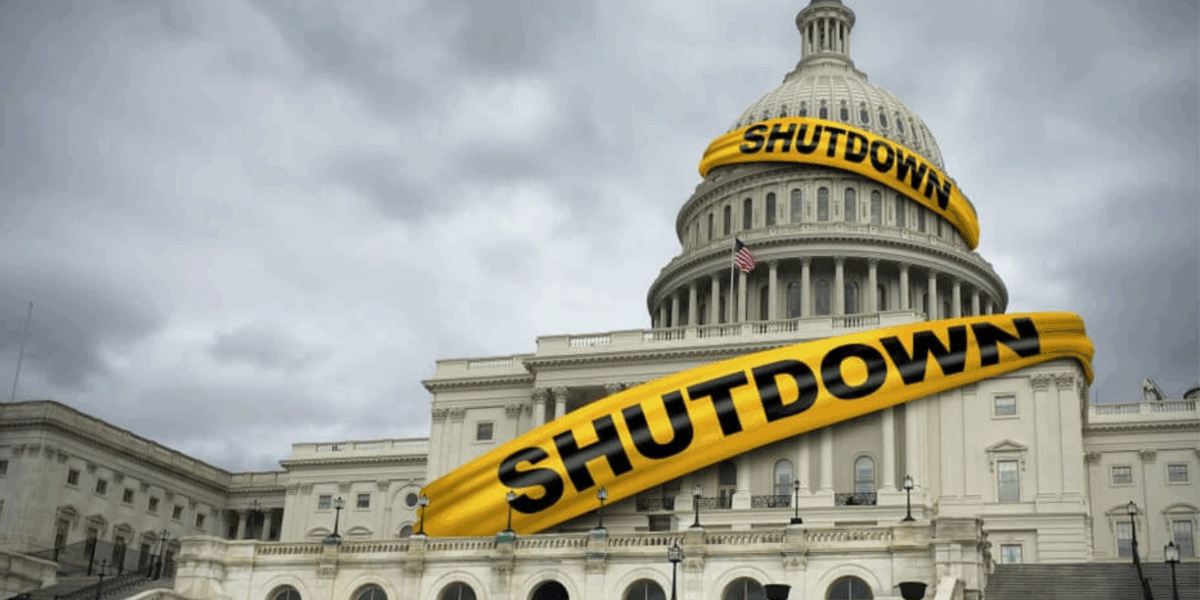
When the federal government shuts down, the effects reach far beyond Washington, DC. For homebuyers, sellers, and investors in Manhattan and across New York City, political gridlock can cause unexpected hurdles—and sometimes even create opportunities.
Whether you’re navigating a condo purchase in Midtown, listing a co-op on the Upper East Side, or analyzing an investment property in Brooklyn, understanding how a government shutdown affects the real estate market will help you move forward with clarity and confidence.
Immediate Impacts on Homebuyers
Mortgage Processing Slows Down
If you’re financing a purchase with an FHA, VA, or USDA loan, expect delays. These government-backed programs often halt or slow during a shutdown when federal employees are furloughed.
Even conventional loans (through Fannie Mae or Freddie Mac) can be delayed if federal verification processes—such as confirming employment or processing IRS transcripts—are unavailable. In a fast-paced market like Manhattan, that extra time can mean losing out on a property.
Flood Insurance Roadblocks
The National Flood Insurance Program (NFIP) is another major sticking point. During a shutdown, new policies can’t be issued and existing ones can’t be renewed.
Nationally, this delays 1,300–1,400 transactions daily. In NYC, where many waterfront properties in Lower Manhattan, Brooklyn, and Queens require flood coverage, this can stall closings indefinitely until the government reopens.
How Market Dynamics Shift
Mortgage Rates: A Temporary Silver Lining?
Paradoxically, shutdowns sometimes push mortgage rates slightly lower. Investors often move money into U.S. Treasury bonds during uncertainty, reducing yields and nudging mortgage rates down.
For NYC buyers, this can present a window of opportunity to lock in more favorable terms. But beware: prolonged shutdowns create volatility, making it harder to secure predictable financing.
Buyer & Seller Confidence Drops
Uncertainty hits consumer confidence hard—especially in areas with large federal workforces. While DC feels the sharpest impact, NYC isn’t immune. Federal contractors, Wall Street firms reliant on government reporting, and even tourism-driven businesses can all feel the pinch.
As confidence dips:
- Buyers hesitate to commit to big purchases.
- Sellers may hold back listings, fearing a slowdown.
- Active buyers gain leverage, especially in negotiations.
Regional & Sector Variations
NYC vs. Other Markets
Not all real estate markets react the same way. In Washington, DC, the housing market slows dramatically. In NYC, the effects are less direct but still visible—particularly in investment-heavy neighborhoods where financing and confidence play major roles.
For example:
- Luxury condo buyers reliant on jumbo loans may see more volatility.
- Brooklyn townhomes near flood zones may experience closing delays tied to NFIP.
- Commercial landlords with government tenants may face delayed lease negotiations.
Commercial Real Estate Challenges
Shutdowns also impact office and retail leasing. If federal agencies pause or cancel lease agreements, landlords can face higher vacancies. In NYC’s already shifting office market, that adds another layer of uncertainty for investors evaluating long-term valuations.
The Federal Reserve Factor
Government shutdowns disrupt not only real estate transactions but also how the Federal Reserve makes decisions. Without access to official reports on jobs, inflation, or consumer spending, the Fed has to rely on less reliable private data.
Typically, this leads to:
- More cautious monetary policy (pausing rate hikes or even cutting rates).
- Market volatility, as investors try to anticipate Fed decisions with incomplete data.
For NYC real estate investors, this means keeping a close eye on both Treasury yields and Fed announcements—they directly shape mortgage rate trends.
What This Means for You
If You’re Buying:
- Build extra time into your closing process.
- Ask your lender about conventional financing alternatives.
- Verify whether your property requires flood insurance.
- Watch mortgage rates closely and be ready to act quickly.
If You’re Selling:
- Expect possible delays on government-backed loans.
- Stay transparent with buyers about potential hurdles.
- Be strategic with pricing to attract serious buyers in a cautious market.
If You’re Investing:
- Look for negotiating opportunities where reduced activity creates leverage.
- Factor in a property’s exposure to government employment or tenants.
- Track Treasury yields and Fed policy for early interest rate signals.
The Bottom Line
Government shutdowns add another layer of uncertainty to an already complex real estate market. Short-term shutdowns often resolve with minimal long-term damage, but prolonged standoffs can delay deals, shake consumer confidence, and shift local dynamics.
For NYC buyers, sellers, and investors, the best defense is preparation and awareness. By understanding how shutdowns ripple through financing, insurance, and confidence levels, you can adapt your strategy and make smarter moves.
 Looking to buy, sell, or invest in Manhattan real estate—no matter the market conditions? Contact Ryan Garson and The Garson Team today for a tailored strategy that keeps you ahead of the curve.
FAQs About Government Shutdowns & NYC Real Estate
Q: Do government shutdowns stop all home sales in NYC?
A: No. Most transactions still move forward, especially cash deals and conventional loans. Shutdowns primarily affect FHA, VA, USDA loans, and properties requiring flood insurance.
Q: How long do shutdowns usually last?
A: Many last only a few days to weeks, but prolonged shutdowns (over 30 days) create more noticeable market disruptions.
Q: Will a government shutdown lower NYC home prices?
A: Not significantly. Prices are more influenced by inventory, demand, and broader economic conditions. Shutdowns mainly create delays and confidence issues rather than major price drops.
Q: Should I delay buying a home in Manhattan during a shutdown?
A: Not necessarily. If mortgage rates dip, buyers may actually benefit. The key is working with an experienced real estate advisor to navigate potential financing or closing delays.