

From Offices to Apartments: How “City of Yes” Is Transforming Manhattan’s Skyline
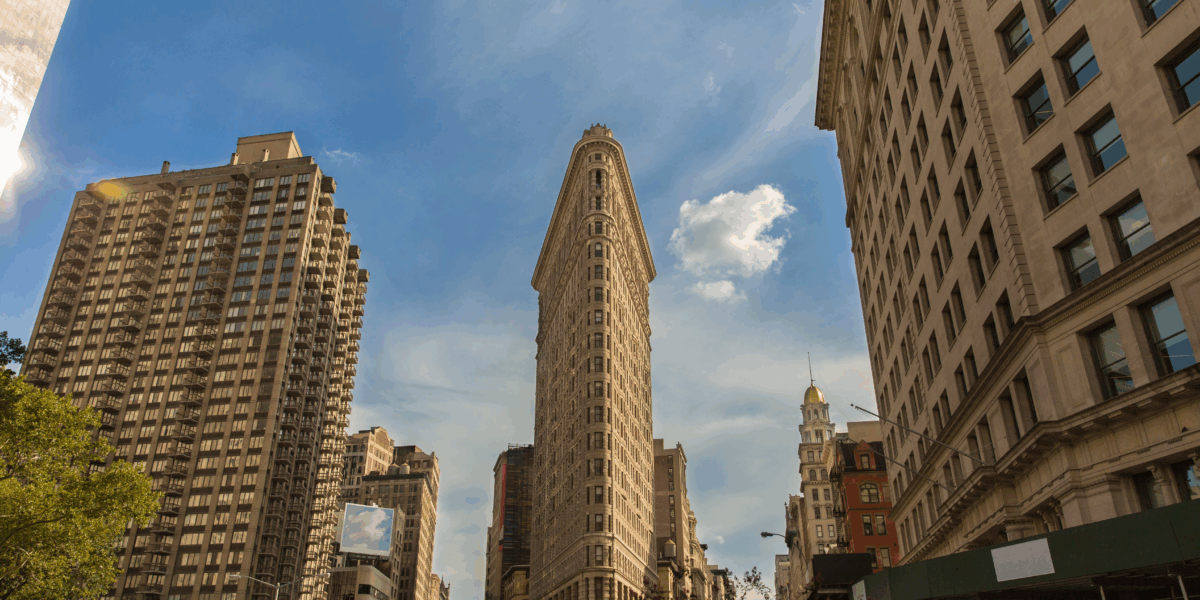
The Manhattan skyline is quietly being redefined. Across Midtown and Lower Manhattan, empty office towers are being reimagined as residential buildings — a transformation that could add over 40,000 new homes to the city by 2035.
This surge in commercial-to-residential conversion projects in NYC represents the largest adaptive reuse wave in decades, driven by a perfect storm of post-pandemic office vacancies, historic zoning reforms, and aggressive tax incentives.
If you’re a buyer, seller, or investor trying to understand where Manhattan’s housing market is headed, this shift matters. Let’s explore how the City of Yes initiative is changing the rules — and reshaping the future of urban living in New York City.
What Is the “City of Yes” Initiative?
Passed in late 2024, City of Yes for Housing Opportunity is the most comprehensive zoning reform New York City has seen since 1961. The initiative’s goal: to unlock housing potential citywide by removing outdated zoning barriers and creating more opportunities for residential growth.
Key changes impacting Manhattan:
- Expanded eligibility for office-to-residential conversions to include buildings constructed before 1991 (previously only pre-1961).
- Relaxed zoning restrictions in areas like Midtown East, Midtown South, and parts of the Financial District.
- Raised or eliminated Floor Area Ratio (FAR) limits for older buildings that include affordable housing.
- Faster approvals through the new Office Conversion Accelerator Program.
The city projects over 80,000 new homes across all five boroughs within 15 years — with nearly 10,000 units in Midtown South alone through conversions and infill development.
Why Now? The Perfect Storm for Manhattan Conversions
Several powerful forces are converging to make 2025 a turning point for Manhattan’s real estate market.
1. The Remote Work Legacy
Hybrid work patterns have left Manhattan with record office vacancies — especially among Class B and C office towers built in the 1950s–1980s. Rather than sitting empty, these outdated properties are prime candidates for residential conversions.
2. A City Desperate for Housing
NYC’s housing shortage remains acute, with rental vacancy rates under 2%. Converting unused office space into housing solves two problems at once: it revitalizes obsolete commercial buildings while easing residential supply pressures.
3. Incentives That Actually Work
The 467-m “Affordable Housing from Commercial Conversions” program (enacted in 2024) offers developers 25–35 years of property tax exemptions — full relief during construction, followed by decades of reduced assessments.
To qualify for the maximum 35-year benefit, projects must break ground before June 30, 2026 and reserve at least 25% of units as income-restricted, averaging 80% of Area Median Income (AMI), with 5% at 40% AMI.
For many developers, that trade-off is well worth it.
The Numbers: How Much Housing Are We Talking About?
The scale of this conversion movement is remarkable:
| Timeline | Estimated New Units | Office Space Converted |
|---|---|---|
| 1-Year (2025–2026) | 5,000 | 4.1M sq. ft. |
| 5-Year (through 2030) | 17,400–25,000 | 15.2M sq. ft. |
| 10-Year (by 2035) | 40,000+ | One-third of obsolete office space south of 59th Street |
In short, these conversions could increase Manhattan’s housing inventory by 4–5% over the next decade — a meaningful shift in a market starved for supply.
Where the Action Is: Manhattan’s Conversion Hotspots
While zoning changes apply citywide, a few neighborhoods are leading the charge.
Financial District & Lower Manhattan
The FiDi area remains the epicenter of adaptive reuse, with headline projects like:
- 25 Water Street (1,320 rentals)
- 55 Broad Street (571 rentals)
- The Flatiron Building (upcoming condo conversion)
These follow in the footsteps of pioneering conversions like 70 Pine Street and 1 Wall Street, which proved that old offices can make desirable homes.
Midtown East
Once strictly commercial, Midtown East is fast becoming a residential frontier, with major projects such as:
- 235 East 42nd Street (Pfizer HQ) – 1,600 rentals
- 1011 First Avenue – 420 units
- 750 Third Avenue – upcoming conversion pipeline
Third Avenue’s abundance of mid-century towers creates a deep pool of opportunities for conversion.
Times Square & Midtown West
Projects like 5 Times Square (1,250 rentals) and 1740 Broadway are redefining Midtown’s identity, while 6 East 43rd Street (Emigrant Savings Bank) adds 441 rentals, including 111 affordable units.
Hell’s Kitchen
One of the city’s boldest announcements: Silverstein Properties and Metro Loft’s 2,000-unit conversion proposal. With proximity to Midtown and the Hudson Yards corridor, this neighborhood could become a flagship example of “City of Yes” in action.
The Developer’s Dilemma: Incentives vs. Obstacles
Major Incentives
- $5.6 billion in tax-funded benefits already committed under 467-m
- Office property values down ~45% since 2020, lowering acquisition costs
- Renewed lending confidence, with financing returning to the market (e.g., Brookfield’s $300M loan for 6 East 43rd Street)
Significant Challenges
- Conversion costs averaging $500–$660 per sq. ft.
- Complex building codes governing light, ventilation, and structural safety
- Political resistance to the estimated $5.1 billion in lost future tax revenue
- Limited viable inventory among older Class B/C buildings
What This Means for Manhattan’s Future
These conversions represent more than a market shift — they’re reshaping how New Yorkers live and work.
- For Buyers & Renters: Expect thousands of new apartments (many rent-stabilized or income-restricted) in Midtown and Lower Manhattan — bringing new life to once 9-to-5 neighborhoods.
- For Communities: The shift toward residential use will drive demand for schools, grocery stores, gyms, and nightlife, turning business districts into true 24-hour neighborhoods.
- For Sustainability: Conversions reduce demolition waste and preserve embodied carbon, making adaptive reuse a greener path to housing creation.
With the City of Yes zoning reforms, the 467-m tax program, and the office vacancy crisis converging, New York City stands at a once-in-a-generation inflection point. The next 12–18 months will determine which developers seize the moment — and which neighborhoods will evolve most dramatically.
Final Thoughts
For anyone invested in Manhattan real estate — whether as a homeowner, landlord, or market observer — the office-to-residential conversion boom isn’t just a trend. It’s the defining story of Manhattan’s next decade.
Ready to Explore the Future of Manhattan Living?
Whether you’re buying, selling, or investing, understanding these market shifts is key to making the right move.
Contact The Garson Team today to learn how “City of Yes” and Manhattan’s transformation could impact your real estate goals.
We’re here to guide you through New York’s evolving skyline — with local expertise, market insight, and a results-driven approach.
Frequently Asked Questions
Q: What is the City of Yes for Housing Opportunity?
A: It’s a 2024 zoning reform package designed to make it easier to build and convert buildings into housing citywide, especially in Manhattan and other high-demand areas.
Q: How many new apartments could office conversions add in Manhattan?
A: Over 40,000 by 2035 — roughly a 4–5% boost to total housing inventory.
Q: What are the main tax incentives for conversions?
A: The 467-m program offers up to 35 years of property tax relief for projects that include affordable housing and start construction before mid-2026.
Q: Which neighborhoods are leading office-to-residential conversions?
A: Financial District, Midtown East, Times Square, and Hell’s Kitchen are currently the most active.
Q: How will these conversions change Manhattan neighborhoods?
A: Expect more 24-hour mixed-use communities, new local businesses, and a more balanced residential presence in areas once dominated by offices.